Do Chickens Eat Slugs? The Backyard Goldmine Explained
So, you’ve seen huge slugs in your garden and you want to know…do chickens eat slugs? Chickens love eating slugs for protein, but slugs carry parasites like gapeworm and rat lungworm that harm flocks. This complete guide covers safe slug hunting, symptoms to watch for, and the best chicken breeds for natural pest control.
This post may contain affiliate links. Please read our disclosure policy.
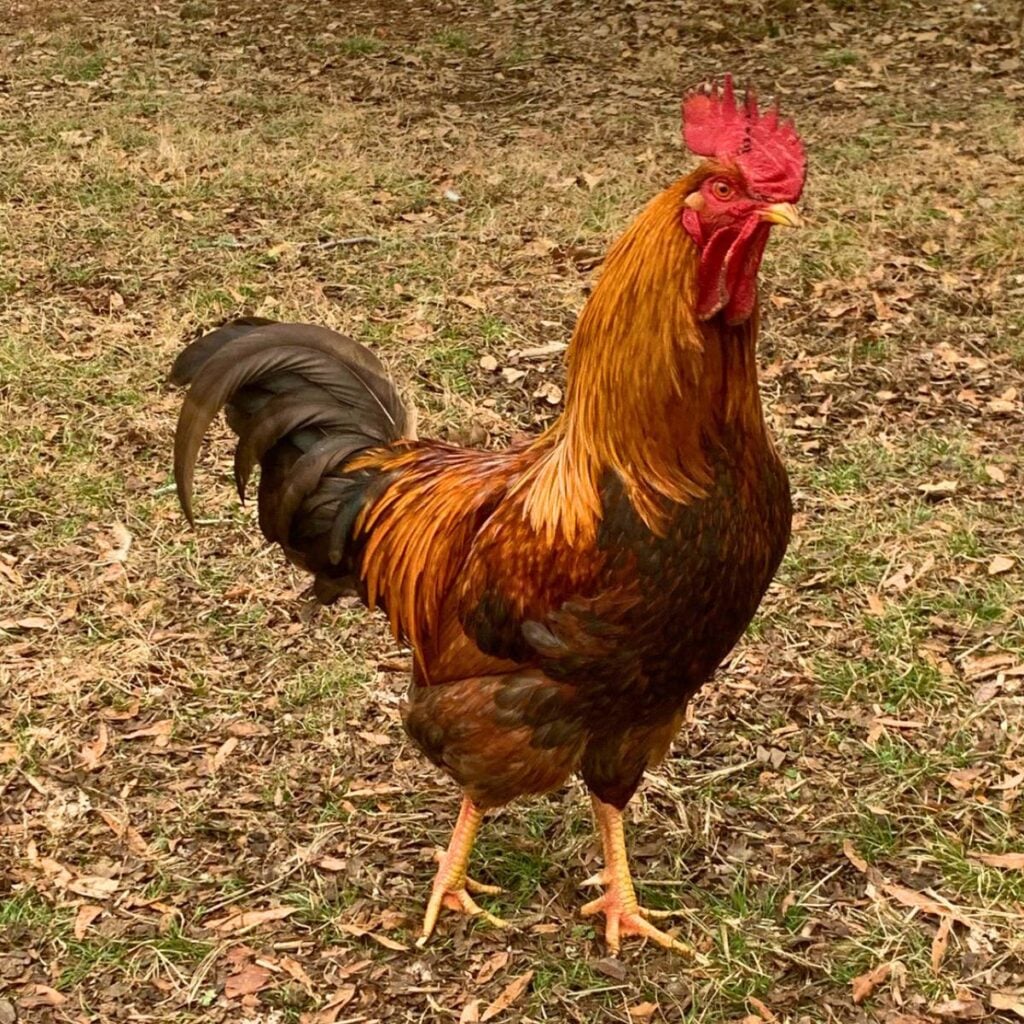
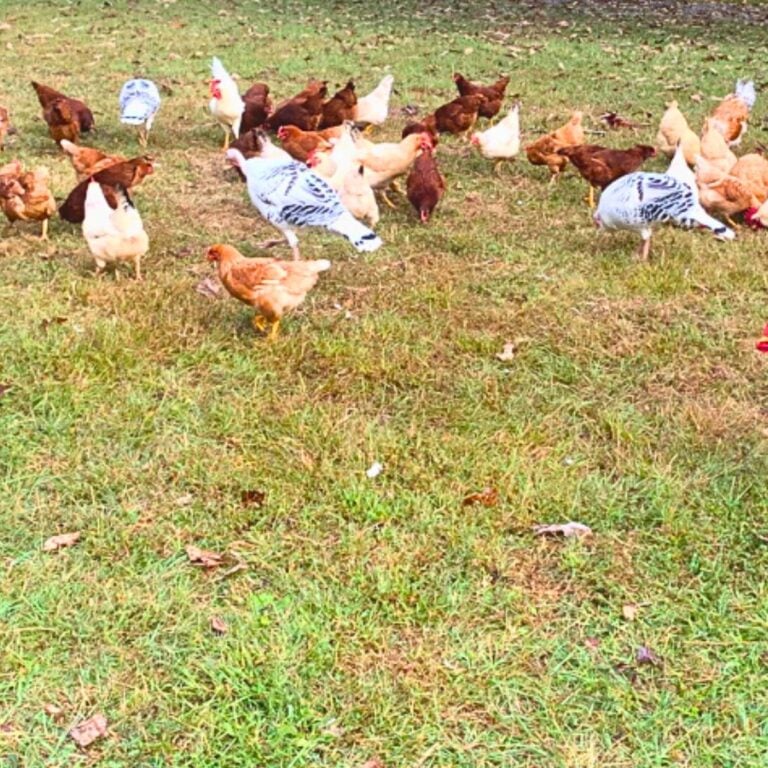
As a responsible chicken keeper, I want to keep a happy chicken coop and let my chickens free range as much as possible. It doesn’t cost anything to free range our chickens. Buying chicken feed is expensive, which is hard on our budget. But there’s another reason I free range our backyard flock. It keeps pests under control!
So you’ve seen your chickens peck at everything in sight, and now you’re wondering if those slimy garden destroyers are on the menu too.
The short answer is yes. Chickens absolutely eat slugs, and they’ll hunt them down with shocking enthusiasm. But before you turn your flock loose as big slug assassins, you need to know what actually happens when chickens feast on these slimy pests.
There’s a balance between natural pest control and real health risks that most backyard chicken owners completely miss. Slugs carry parasites that can wreak havoc on your flock, yet chickens are hardwired to devour them on sight.
Let’s break down exactly what goes on when chickens eat slugs, the hidden dangers you need to watch for, and how to let your birds do what they do best without putting them at risk.

Why Chickens Love Eating Slugs
Chickens are opportunistic eaters with zero hesitation when it comes to slugs. The moment they spot one, it’s game over. This isn’t picky behavior, it’s survival instinct meeting good sources of protein.
Slugs are packed with moisture and protein, two things chickens crave constantly. In the wild, chickens hunt insects, worms, and anything that moves slowly enough to catch. Slugs fit that profile perfectly. Their soft bodies make them easy to swallow, and their slow speed makes them the easiest target in your garden.
Here’s what makes slugs irresistible to chickens:
- High protein content that supports egg production and muscle development
- Moisture-rich bodies that help with hydration, especially in dry climates
- Easy movement triggers the chicken’s hunting instinct immediately
- Abundance in gardens means chickens can snack freely without much effort
When chickens forage, they’re not thinking about nutritional balance. They’re thinking about what tastes good and what’s easy to catch. Slugs check both boxes, which is why your birds will peck them up the second they cross paths.
The problem isn’t that chickens eat slugs. The problem is what comes along for the ride when they do.
The Hidden Parasite Risk Lurking in Every Slug
Not every slug is a clean meal.
Slugs are intermediate hosts for several parasites that can infect chickens. The most dangerous one is gapeworm, a respiratory parasite that lives in the trachea and makes chickens gasp for air. When a chicken eats an infected slug, the parasite larvae goes directly into the bird’s system.
Here’s what happens once parasites get inside chickens:
- The larvae travel through the digestive system and migrate toward the respiratory tract or intestines depending on the parasite type.
- Gapeworms attach to the trachea, causing breathing difficulty, head shaking, and gasping that sounds like choking.
- Intestinal worms like roundworms settle in the gut, stealing nutrients and causing weight loss, diarrhea, and poor egg production.
- Heavy infestations can kill birds if left untreated, especially in young or weak chickens.
The tricky part is that chickens can carry low-level parasite loads without showing symptoms right away. You might not notice anything wrong until the infestation is serious. By then, your whole flock could be affected because parasites spread through droppings, and chickens peck at everything including contaminated ground.
Slug-eating isn’t the problem. The problem is unmonitored slug-eating in environments where parasite loads are high. If your yard is damp, shaded, and packed with slugs, the odds of those slugs carrying parasites skyrocket. That’s when free-range slug snacking turns into a health gamble.

How to Let Chickens Eat Slugs Safely
You don’t have to ban slugs from the menu completely. You just need to manage the risk.
The safest approach combines natural behavior with proactive health monitoring. Let your chickens do what they love, but build a system that catches problems before they spiral. Here’s how to pull that off without overthinking it.
Rotate your chickens through different areas of your yard. Don’t let them camp in the same slug-heavy zone for weeks. Moving them around breaks the parasite life cycle because larvae need time to develop in the environment. If your birds aren’t in the same spot long enough for reinfection, parasite loads stay low.
Reduce slug populations manually in high-risk zones. If one area of your property is a slug factory, knock down the numbers yourself before letting chickens forage there. Use beer traps, barriers, or manual removal to cut the slug density. Fewer slugs mean fewer chances for your chickens to load up on parasite-carrying hosts.
Watch for respiratory symptoms and treat immediately. Gapeworm doesn’t wait around. If you see gasping, head shaking, or open-mouth breathing, assume parasites and act fast. Deworming medications like fenbendazole or flubenvet can clear infections, but timing matters. The earlier you catch it, the easier it is to fix.
On our farm, I use natural methods like sprinkling food grade Diatomaceous earth (DE) in chicken feed and all other animal feeds, to get rid of digestive parasites. I buy DE in 50 pound bags from Azure Standard because it lasts forever if you store it in a dry area.

I also add antiparasitic herbs to chicken waterers when I suspect any chickens have picked up a parasite. If you have cloves, oregano, garlic, and thyme, add them to water containers. You can also add wormwood (Artemisia absinthium) and black walnut hulls (Juglans nigra) if you have them.
Run fecal tests annually or after heavy slug exposure. A simple fecal float test from a vet reveals what’s living in your chickens’ guts. If parasite loads are climbing, you can deworm the flock before symptoms show up. This is especially smart if your chickens free-range in slug-heavy environments regularly. This is optional and only if you’re really concerned that there might be a problem even after using other methods to control parasite load.
Keep coops dry and clean to limit reinfection. Wet bedding and muddy runs are paradise for parasite larvae. Dry conditions kill larvae faster and reduce the chance of chickens picking up parasites from their own droppings. If your run stays soggy, you’re creating a parasite loop that no amount of deworming will fix permanently.
You’re not trying to eliminate every risk. You’re trying to let chickens be chickens while keeping the danger manageable. That’s the difference between paranoid micromanaging and smart flock stewardship.
Slugs as Free Protein vs Store-Bought Feed
Chickens don’t need slugs to thrive, but they sure don’t hurt when you look at the protein boost.
A single slug isn’t a complete meal, but a yard full of them adds up fast. Slugs contain around 15% protein by weight, which isn’t far off from commercial layer feed that typically runs 16-18%. The difference is volume. Your chickens would need to eat a lot of slugs to replace a meaningful portion of their feed ration.
Where slug-eating really shines:
- Free-range foraging cuts feed costs because chickens fill part of their diet with wild protein instead of relying entirely on bagged feed.
- Nutritional variety improves overall health since natural foraging provides vitamins, minerals, and enzymes that processed feed can’t replicate perfectly.
- Chickens stay mentally engaged when they hunt and forage new foods, reducing boredom and destructive behaviors like feather pecking.
- Pest control becomes a bonus byproduct as chickens clear slugs that would otherwise destroy your garden plants.
The catch is that slugs are inconsistent. Wet weather brings slug booms. Dry spells kill them off. You can’t count on slugs as a reliable protein source the way you can with commercial feed. They’re a supplement, not a staple.
If you’re running chickens in a garden setup, the pest control value alone justifies letting them snack. You’re solving two problems at once: feeding your flock and protecting your plants. Just don’t assume slug-hunting replaces the need for a solid base diet.

What Happens to Your Garden When Chickens Hunt Slugs
Chickens don’t just eat slugs. They obliterate slug populations when given the chance.
A small flock can clear hundreds of slugs in a single day if the conditions are right. Early morning and evening are peak hunting times because that’s when slugs are most active. Turn your chickens loose during those windows, and you’ll see an immediate drop in slug damage on your plants.
But chickens aren’t precision tools. They’ll scratch, peck, and dig while hunting, which means your garden beds take collateral damage. If you let them roam freely through freshly planted areas, they’ll uproot seedlings and destroy delicate plants while hunting slugs underneath.
I like to turn our chickens loose about an hour before dusk. That way they can hunt for bugs for an hour and then be ready for bed.
The smart move is controlled access:
- Use chickens in garden beds before planting or after harvest when you want soil turned and pests cleared without worrying about plant damage.
- Build temporary fencing around active garden zones so chickens can patrol paths and edges without trampling your crops.
- Let chickens clean up fallen fruit and vegetable scraps where slugs congregate, turning waste into food while eliminating pests.
- Rotate birds through garden sections strategically, giving each area a slug-clearing session without extended exposure that leads to over-scratching.
If your goal is pest control, chickens are incredible. If your goal is pristine garden beds, chickens are chaos agents. The key is designing your system so chickens work for you instead of against you. Let them do what they’re good at, in the places where their natural behavior solves problems instead of creating them.
Other Pests Chickens Destroy Along with Slugs
Slugs aren’t the only target when chickens go hunting.
Once your flock is loose, they’ll tear through a whole menu of garden pests with the same enthusiasm. Chickens are equal-opportunity predators when it comes to bugs, and that makes them one of the most effective organic pest control tools you can deploy.
Chickens actively hunt and eat:
- Snails, which they crack open and devour just like slugs
- Beetles of all kinds, including destructive species like Japanese beetles and cucumber beetles
- Grubs and larvae hiding in soil, which they dig up while scratching
- Grasshoppers and crickets, which they chase down with surprising speed
- Earwigs, spiders, and ants, especially when populations explode near the coop
- Ticks, which makes free-ranging chickens a smart move in tick-heavy areas
- Flies and fly larvae around compost piles and manure
The more diverse your chicken’s hunting ground, the more pest species they’ll knock down naturally. This doesn’t just help your garden. It reduces pest pressure around your entire property, which means fewer bugs making their way into your house or attacking your other plants.
The bonus is that chickens don’t need training. They don’t need pest identification guides or instructions. They see movement, they peck. They find protein, they eat. That instinct alone makes them worth their weight in feed costs if you’ve got pest problems.
Just remember that chickens also eat beneficial insects like ladybugs and ground beetles if they get the chance. They can’t tell the difference between good bugs and bad bugs. They just know bugs taste good. If you’re trying to build a balanced ecosystem, chickens are a blunt tool, not a precision one.
When You Should Stop Chickens from Eating Slugs
There are situations where slug-eating goes from helpful to harmful.
If you’ve used slug bait or pesticides anywhere near your property, keep chickens away from those areas immediately. Slug pellets containing metaldehyde or iron phosphate can poison chickens if they eat contaminated slugs or ingest bait directly. Even small amounts can cause neurological damage, seizures, or death depending on the poison and the dose.
Watch for these warning signs that slug-eating has become a problem:
- Multiple birds showing respiratory distress, which signals a gapeworm outbreak spreading through the flock
- Weight loss and poor feather condition across the flock, pointing to heavy intestinal parasite loads
- Sudden death without obvious injury, which could mean poisoning from contaminated slugs
- Drop in egg production that coincides with increased foraging in slug-heavy zones
If any of these show up, pull your chickens out of slug-hunting areas immediately. You may wish to get a vet involved, but start with giving them DE and antiparasitic herbs in their waterers. Parasite problems and poisoning both escalate fast, and chickens hide symptoms until they’re seriously sick. But our home remedies of using DE and antiparasitic herbs in their waterers have worked every single time. Usually within a day or two when you catch symptoms quickly.
In controlled environments where you manage slug populations manually and avoid chemicals, slug-eating is low-risk. In wild, untreated areas where you have no idea what slugs have been exposed to, the risk climbs. Know your land, know what’s been applied, and make decisions based on real conditions instead of assumptions.

Best Chicken Breeds for Natural Slug Control
Not all chickens hunt with the same intensity.
Some breeds are lazy foragers that wait for you to bring food. Others are relentless hunters that spend all day tearing through bugs and slugs like they’re on a mission. If slug control is part of your chicken strategy, breed selection matters.
Top foraging breeds that excel at slug hunting:
- Rhode Island Reds are aggressive foragers that scratch constantly and hunt anything that moves.
- Australorps combine strong foraging instincts with calm temperaments, making them great for gardens and first time chicken keepers.
- Sussex chickens are curious and active, always exploring and pecking through soil and plants.
- Leghorns are lightweight, fast, and excellent hunters, though they can be flighty in confined spaces.
- Wyandottes are steady foragers that work methodically through an area without destroying everything in sight.
- Orpingtons are slower but thorough, making them good for smaller gardens where speed isn’t critical.
Bantam breeds are also solid choices if you have limited space. They’re smaller, lighter, and cause less garden damage while still hunting slugs effectively. Silkies are the exception, they’re terrible foragers and mostly just look cute. Be careful if you use small breeds like bantams. If you let them loose, they may fly off. The big breeds are physically incapable of flying off. They mostly walk fast or run while flapping their wings.
Match your breed to your goals. If you want maximum pest destruction, go with high-energy foragers like Rhode Island Reds or Leghorns. If you want gentle garden helpers that won’t tear up your beds, Sussex or Wyandottes are smarter picks. Every breed eats slugs. Not every breed hunts them down with the same intensity.
Chickens will clear slugs faster than most organic pest control methods, but only if you pick birds that actually want to work. Lazy foragers won’t solve your slug problem no matter how many you keep.
Chickens and slugs are a natural match, but it’s not a free pass to ignore the risks. Your flock will demolish garden pests and turn them into eggs, but parasites and poisons can wreck that system fast if you’re not paying attention.
The smartest move is letting chickens do what they’re built for while staying one step ahead of the problems. Rotate pastures, monitor health, skip the chemicals, and your birds will keep slugs in check without turning your backyard into a parasite breeding ground.