
How To Get Rid Of Aphids On Pepper Plants For Good
Looking for how to get rid of aphids on pepper plants for good? I’ll walk you through exactly how to identify aphid damage, eliminate them using proven methods, and keep them from ever coming back.
This post may contain affiliate links. Please read our disclosure policy.
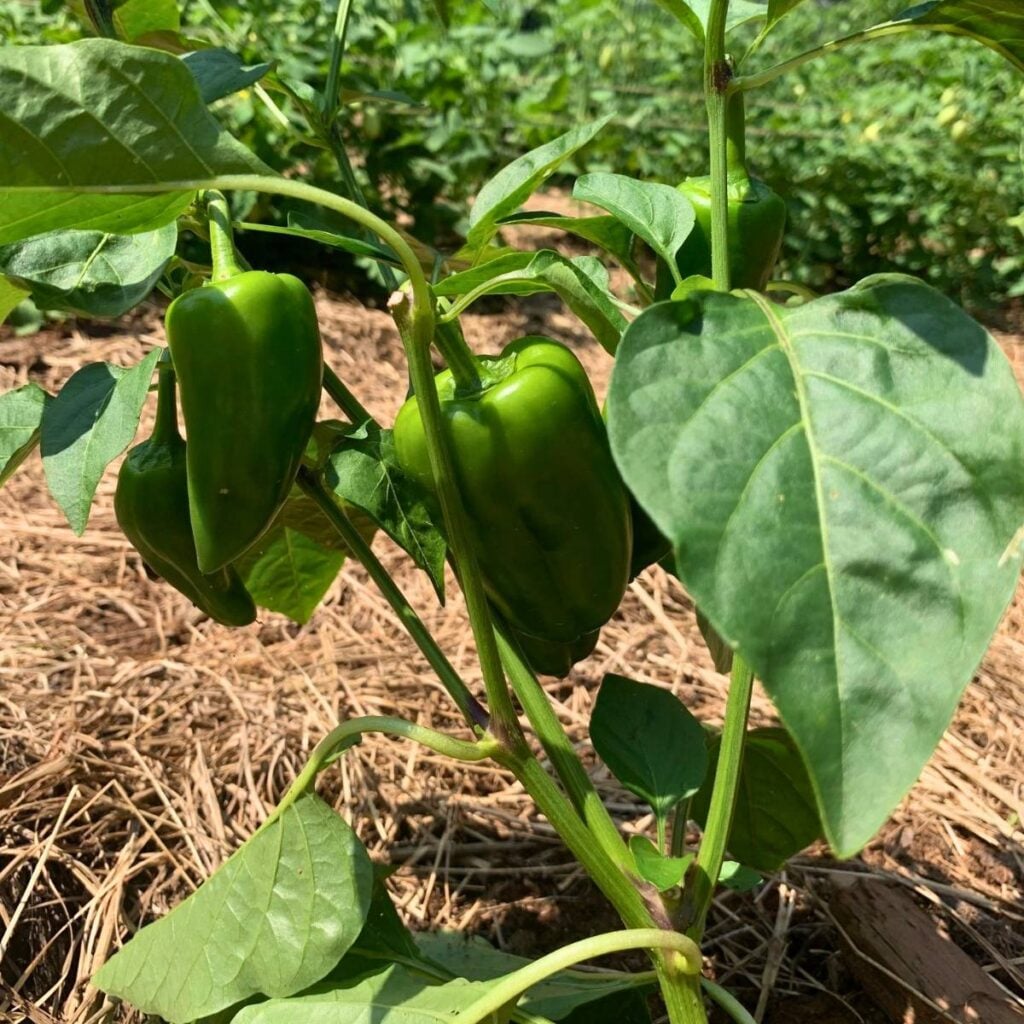
You walk out to check your pepper plants and freeze.
Tiny green bugs coat the underside of leaves like a living carpet. Your pepper plants look wilted, the leaves are curling, and you can see a sticky substance on everything. Aphids have arrived, and they multiply at a terrifying rate. One aphid can produce 80 offspring in a week, which means your small problem can become a full aphid infestation in days.
But I have good news. Aphids are one of the easiest pests to eliminate once you know what works. You don’t need harsh chemicals or expensive treatments. Most of the solutions are sitting in your kitchen or garden shed right now. The key is acting fast and using methods that actually target how aphids feed and reproduce.

What Aphids Are Doing to Your Pepper Plants
Aphids aren’t just sitting on your plants, they’re actively destroying them from the inside out.
These soft-bodied insects use piercing mouth-parts to suck sap directly from your pepper plant’s vascular system. They target new growth, buds, and the tender underside of the leaves because that’s where the sap flows fastest. As they feed, they inject saliva that distorts leaf growth, stunts pepper development, and weakens the entire plant. But the real danger isn’t just the feeding.
Aphids excrete honeydew, a sticky, sugary substance that coats your leaves and stems. This honeydew attracts ants, which will actually protect aphids from predators to keep their food source alive. Worse, honeydew creates the perfect environment for sooty mold, a black fungal growth that blocks sunlight and further weakens your plant. If you see dark spots on your pepper leaves, that’s sooty mold, and it means your aphid problem has been going on longer than you think.
Aphids also spread plant viruses. Pepper plants are vulnerable to mosaic viruses, and aphids are one of the primary vectors. Once a virus takes hold, there’s no cure. You’ll need to remove the entire plant to prevent spread.
The good news? Aphids are slow-moving, highly visible, and incredibly vulnerable to disruption. You don’t need to kill every single one to stop the infestation. You just need to break their reproductive cycle and introduce pressure they can’t survive. That’s exactly what the methods below are designed to do.

How to Get Rid of Aphids On Pepper Plants
You probably already own most of what you need to eliminate aphids.
The tools and materials below cover every method in this guide. You won’t need all of them, just pick the methods that fit your situation and gather what’s required for those approaches. If you’re dealing with a mild infestation, start with the simplest tools. If your plants are covered, you’ll want to combine multiple methods for faster results.
- Garden hose with spray nozzle (for blast-off method)
- Spray bottle (for homemade solutions)
- Dish soap (unscented, no added moisturizers)
- Neem oil (cold-pressed, organic)
- Rubbing alcohol (70% isopropyl)
- Diatomaceous earth (food-grade only)
- Row covers or insect netting (for prevention)
- Yellow sticky traps (optional for monitoring)
- Soft cloth or cotton swabs (for spot treatment)
Avoid products labeled as “leaf shine” or anything with added oils your plant doesn’t need. These can clog leaf pores and cause more harm than the aphids. Stick with simple, food-safe ingredients. If you’d spray it near something you’re going to eat, it’s safe for your pepper plants.
One more thing. If you’re using neem oil or insecticidal soap, always test on a small section of your plant first. Wait 24 hours to make sure there’s no leaf burn or discoloration before applying it everywhere. Peppers are generally tough, but stressed plants can react poorly to treatments.
Step-by-Step: Blast Them Off With Water
This is the fastest, safest, and most effective first move you can make.
Want an easy method for how to get rid of aphids on pepper plants? Aphids have weak grip strength and soft bodies. A strong stream of water knocks them off your plant, and once they hit the ground, most of them won’t make it back up. They’re slow crawlers, and ground-level predators like ground beetles will pick them off before they can reinfest your garden plants. This method works best in the early morning or late afternoon when temperatures are cooler and your plants are hydrated.
- Set your hose nozzle to a firm jet setting. You want pressure, but not so much that it damages leaves or breaks stems. Think “firm shower” rather than “pressure washer.”
- Hold the nozzle 6 to 12 inches from the plant. The best way is to start at the top and work your way down, making sure to angle the spray upward to hit the undersides of leaves where aphids and aphid eggs cluster.
- Focus on new growth, buds, and leaf undersides. These are aphid hotspots. Don’t just spray the tops of leaves and call it done.
- Repeat every morning for 3 to 5 days. This breaks the reproductive cycle. Even if you don’t see aphids after day two, keep going. Eggs and nymphs may still be present.
Why this works: Aphids reproduce through parthenogenesis, meaning they give live birth without mating. A single aphid can produce 5 to 10 nymphs per day. By physically removing adults daily, you stop the exponential growth before it spirals. You’re also washing away honeydew, which removes the ant attraction and prevents sooty mold from taking hold.
This method won’t kill aphids, but it doesn’t need to. It removes them from your plant and gives beneficial insects like lady beetles (ladybugs) and green lacewings time to move in and finish the job. If you combine this with any of the methods below, you’ll see results in less than a week.

The Soap Spray That Suffocates Aphids
Insecticidal soap is one of the most reliable organic aphid killers, and you can make it in under two minutes.
The science behind soap spray is simple. Want an effective method for how to get rid of aphids on pepper plants? Soap spray breaks down the waxy outer coating on an aphid’s exoskeleton, causing dehydration and respiratory failure. It only works on contact, which means you need to coat the aphids directly. But if you do, it’s incredibly effective and completely safe for your peppers.
How to make it: Mix 1 to 2 teaspoons of pure liquid dish soap (like Dr. Bronner’s or unscented Dawn) with 1 quart of water in a spray bottle. Shake gently. That’s it. Don’t add more soap thinking it’ll work better. Too much soap can damage leaves.
How to apply it:
- Spray in the early morning or late evening when temperatures are below 80 degrees. Heat plus soap can cause leaf burn.
- Drench the undersides of the leaves, stems, and any visible aphid clusters. If you don’t make contact with the aphid’s body, it won’t work.
- Let it sit for 2 to 3 hours, then rinse your plant with clean water. This prevents soap residue buildup.
- Repeat every 2 to 3 days for up to two weeks or until signs of aphids are gone.
What to watch for: If you see yellowing, browning, or curling on leaves after application, you used too much soap or sprayed in direct sun. Dilute your mix and adjust your timing. Pepper plants tolerate soap spray well, but stressed plants or seedlings are more sensitive.
This method is especially effective when combined with the water blast method. Blast them off first, then hit any stragglers with soap spray the next day. You’ll cut your infestation timeline in half.
Neem Oil Treatment That Stops Reproduction
Neem oil doesn’t just kill aphids, it disrupts their ability to grow, molt, and reproduce.
Want another method for how to get rid of aphids on pepper plants? Cold-pressed neem oil contains azadirachtin, a compound that interferes with insect hormone systems. When aphids ingest it or come into contact with it, they stop feeding, can’t mature properly, and eventually die. It also acts as a repellent, making your pepper plants less attractive to new aphids. The catch? It works slowly. You won’t see instant results like you do with soap spray, but the long-term control is far superior.
How to mix it: Combine 1 to 2 tablespoons of cold-pressed neem oil with 1 teaspoon of dish soap (as an emulsifier) and 1 quart of water. Shake vigorously before each use because neem oil separates quickly.
Application steps:
- Apply in the evening or on cloudy days. Neem oil plus UV light equals leaf burn. Always spray when the sun is low or gone.
- Coat all plant surfaces thoroughly. Focus on aphid clusters, but also treat areas they haven’t reached yet. Neem creates a protective barrier.
- Reapply every 7 days for 3 to 4 weeks. Neem breaks down in sunlight and rain, so consistency is key.
- Stop application 2 weeks before harvesting peppers. Neem is safe, but it has a strong smell and taste that can linger.
Neem oil also kills beneficial insects if you spray them directly, so use it strategically. If you already have ladybugs or lacewings working your plants, stick to spot-treating aphid clusters instead of drenching everything.
One warning: never use neem oil when temperatures exceed 85 degrees. The combination of heat and oil will fry your leaves. It’s a good idea to check your weather before mixing a batch.
Rubbing Alcohol Wipes for Spot Treatment
When you only have a few aphids or a concentrated cluster on one stem, alcohol wipes are the fastest, most effective way to kill these garden pests.
Want a precise method for how to get rid of aphids on pepper plants? Rubbing alcohol dissolves aphid bodies on contact. It’s harsh, effective, and works in seconds. This isn’t a whole-plant treatment, it’s a surgical strike for small infestations or hard-to-reach areas where sprays don’t penetrate well.
Mix 1 part 70% isopropyl rubbing alcohol with 1 part water in a small spray bottle or bowl. Dip a soft cloth, cotton ball, or cotton swab into the solution and gently wipe aphid clusters off your plant. You can also lightly mist concentrated areas, but don’t soak the leaves.
Why the dilution matters: Straight rubbing alcohol is too strong for most plants and will cause tissue damage. The 50/50 mix gives you the killing power without the burn. After wiping, rinse the treated area with water after 10 to 15 minutes to remove alcohol residue.
This method is perfect for indoor pepper plants or small container gardens where spraying isn’t practical. It’s also useful when you’re dealing with aphids on pepper flowers or newly forming fruit, where you want precise control and no overspray.
Don’t use this method on hot days or in direct sun. Alcohol evaporates fast, but the brief exposure can still cause spotting if the plant is already heat-stressed.
Diatomaceous Earth Barrier Method
Diatomaceous earth (DE) is fossilized algae ground into a fine powder with microscopic sharp edges.
When aphids crawl over it, those edges slice through their exoskeleton, causing them to dehydrate and die. It’s completely non-toxic to humans, pets, and plants, but lethal to soft-bodied insects like the green peach aphid and potato aphid.
DE works best as a barrier and deterrent rather than a contact killer like soap or alcohol. It’s slow-acting but long-lasting. If you’re looking for how to get rid of aphids on pepper plants, DE is one of the safest options available.

How to apply it:
- Dust a light layer of food-grade diatomaceous earth around the base of your pepper plants and on the soil surface.
- Use a hand duster or a fine mesh strainer to lightly coat the lower stems and undersides of bottom leaves.
- Reapply after rain or heavy watering, as moisture renders DE ineffective until it dries. In humid climates like mine, reapply after the heavy morning dew evaporates.
DE is most effective when aphids are crawling up from the soil or when ants are farming aphids on your plants. It stops the ant highway and prevents new aphids from reaching your peppers. It won’t eliminate aphids already feeding on upper leaves, but it will prevent ground-level reinforcements from joining the colony.
One downside: DE also kills beneficial insects like ground beetles. If you’re using DE, keep it at the base of the plant and avoid dusting the entire plant. You want targeted protection, not scorched earth.
Always wear a dust mask when applying DE. It’s safe to ingest, but inhaling the fine powder irritates your lungs. Apply on a calm day so it settles where you want it instead of blowing into your face.
Bring in the Predators
Aphids are prey for dozens of beneficial insects, and you can recruit them to do the work for you.
Ladybugs, lacewings, hoverflies, and parasitic wasps all hunt aphids aggressively. A single ladybug larva can eat up to 400 aphids before reaching adulthood. Lacewing larvae are even more voracious. If you create an environment these predators want to live in, they’ll patrol your pepper plants and keep aphid populations in check permanently.
How to attract beneficial insects:
- Plant flowers nearby. Companion plants like alyssum, marigolds, dill, fennel, yarrow, and cosmos attract predatory insects. They need nectar and pollen to survive, and aphids alone won’t keep them around.
- Stop using broad-spectrum chemical pesticides. Even organic pesticide sprays like pyrethrin kill beneficials. If you’re spraying weekly, you’re killing your own pest control team.
- Provide water sources. A shallow dish with pebbles and water gives beneficial insects a place to drink without drowning.
- Buy and release ladybugs or lacewings. Many garden centers and online retailers sell live beneficial insects. Release them at dusk when they’re less likely to fly away immediately.
If you release purchased ladybugs, mist your plants lightly with water first. Ladybugs need hydration, and a damp environment encourages them to stick around instead of flying off to the neighbor’s yard.
Parasitic wasps are the secret weapon most gardeners don’t know about. They’re tiny, don’t sting humans, and lay eggs inside aphids. The larvae eat the aphid from the inside out, leaving behind a brown shell called an aphid mummy. If you see these mummies on your plants, don’t remove them. More wasps will emerge and continue the cycle.
This method takes longer to see results, but it’s the only one that creates a self-sustaining solution. Once beneficial insects establish themselves, aphids become a non-issue. This is nature’s method for how to get rid of aphids on pepper plants.
Mistakes That Make Your Aphid Problem Worse
Even with the best intentions, certain actions will sabotage your aphid control efforts. When figuring out how to get rid of aphids on pepper plants, avoid these common mistakes.
Over-fertilizing with nitrogen is the number one mistake gardeners make. Nitrogen promotes lush, tender new growth, which is exactly what aphids love. If you’re feeding your peppers heavy doses of nitrogen-rich fertilizer, you’re essentially setting a buffet table for aphids. Switch to a balanced fertilizer or one higher in phosphorus and potassium until the infestation is under control.
Spraying during the heat of the day causes more damage than the aphids themselves. Any oil-based or soap-based spray applied in direct sun or above 85 degrees will burn your leaves. You’ll end up with crispy, brown foliage and a plant that’s more stressed than before. Always spray early morning or evening.
Ignoring ants is another critical error. Ants farm aphids like livestock, protecting them from predators and moving them to fresh feeding sites. If you see ants marching up and down your pepper plants, you have an aphid problem even if you don’t see the aphids yet. Use a band of diatomaceous earth or sticky barrier around the base of the plant to stop the ants. Cut off their access, and the aphid colony loses its protection.
Using the same treatment method every time without rotating creates resistant populations. Aphids reproduce so fast that they can adapt. If you only use soap spray, switch to neem oil after two weeks, then introduce beneficial insects. Rotate your tactics to keep pressure on from multiple angles.
Waiting until the infestation is severe makes everything harder. If your pepper plant is already wilted, covered in honeydew, and coated with sooty mold, you’ve waited too long for gentle methods to work quickly. You’ll need aggressive intervention, possibly including removing heavily infested leaves to prevent spread. Check your plants every 2 to 3 days during the growing season. Early detection is key to eliminating aphid colonies.
Finally, don’t assume aphids are gone after one treatment. Eggs, nymphs, and hidden adults can survive initial efforts. Commit to at least 7 to 10 days of consistent treatment before declaring victory. The moment you stop, any survivors will repopulate your plant within a week.

Preventing Aphids From Coming Back
Once you’ve eliminated aphids, the last thing you want is a repeat infestation.
Prevention is about making your pepper plants less attractive and harder to access. Aphids are weak fliers, so physical barriers work surprisingly well. Row covers or insect netting draped over your pepper plants during early growth stages keep aphids out entirely. Remove the covers once plants start flowering so pollinators can access the blooms, by which point your plants are stronger and more resistant to damage.
Companion planting is another layer of defense. Basil, chives, garlic, and onions planted near peppers repel aphids with their strong scents. Marigolds and nasturtiums act as trap crops, attracting aphids away from your peppers. You can either sacrifice the trap plants or treat them aggressively while leaving your peppers untouched.
Spray plants with water weekly even when you don’t see aphids. This removes dust, which aphids use as cover, and disrupts their ability to settle in. It also removes eggs before they hatch.
Introduce beneficial insects early in the season before aphids arrive. If ladybugs and lacewings are already patrolling your garden, aphids never get a chance to establish a foothold. Think of it as hiring security before the break-in happens.
Keep your garden clean. Remove plant debris, fallen leaves, and weeds around your pepper plants. Aphids overwinter in garden litter, and a messy garden gives them places to hide and breed.
Monitor new plants obsessively. Aphids often arrive on new transplants from nurseries. Quarantine any new pepper plants for 5 to 7 days and inspect them daily before placing them near your main garden. One infested plant can spread aphids to your entire crop in less than a week.
You can also start saving your own pepper seeds from one season to the next so that you encourage health in your pepper plants. The gardening book Seed to Seed: Seed Saving and Growing Techniques for Vegetable Gardeners has some very helpful information if you want to learn more!
Finally, healthy plants resist aphids better than stressed ones. Proper watering, good soil, adequate spacing for airflow, and balanced fertilization create vigorous plants that can withstand and recover from minor aphid feeding. A strong plant can tolerate a few aphids without showing damage, and beneficial insects will usually handle the rest.
The right soil pH is also critical for plant roots to absorb nutrients. I wrote an article on laboratory soil testing and included resources for home gardeners explaining the best pH for gardens and how to take and test a soil sample.
Your pepper plants don’t have to be aphid magnets. With these prevention tactics in place, you shift from constantly reacting to infestations to creating an environment where aphids can’t thrive in the first place. That’s the difference between fighting aphids every season and barely seeing them at all.
Remember, a balanced ecosystem will keep garden pests in check. And that’s preferred over organic pesticide and chemical pesticides, which can cause harm to beneficial insects.
Once you’ve broken the infestation cycle and built in these preventive layers, your peppers will grow stronger, produce more peppers, and require far less intervention. The methods in this guide work because they address how aphids feed, reproduce, and survive. Use them consistently, and aphids become a minor annoyance instead of a crop-destroying nightmare.

More Gardening Posts
- How To Get Rid Of Black Bugs On Tomato Plants
- How to Trellis Tomatoes Using the Florida Weave
- Use Vinegar to Acidify Soil (Lower pH) for Blueberries
- Gardening: Is Clay Soil Acidic (Low pH)?
- Laboratory Soil Testing and Resources for Gardeners
- Signs of Acidic Soil (Low pH) and How to Make it Alkaline
- How Much Worm Castings Should You Add to Soil?
Great post! Can’t wait to try this when I start growing my own peppers in my own garden. Building one soon!
I hate aphids. They are so annoying and ruin a garden. Thanks for this info, I’m going to be trying this if they return this year.
Great post! Some good ideas for getting rid of/preventing aphids!
Thank you for sharing such an abundance of tips! I hope the aphids in the garden will finally decide to leave my plants alone.
This is so neat! It’s amazing how you can plant another plant to protect a different type of plant. Thanks to sharing!
Great post! This will come in handy when I start my garden! Thanks for sharing 🙂
You’re very welcome!
Just in time! Thanks for the info!
You’re so welcome!