How Long Does Sliced Turkey Breast Last in the Fridge?
Learn exactly how long sliced turkey breast lasts in the fridge with proper storage timelines for opened packages, unopened deli turkey, and frozen options. Includes warning signs of spoilage, optimal temperature settings, and common storage mistakes that reduce shelf life.
This post may contain affiliate links. Please read our disclosure policy.
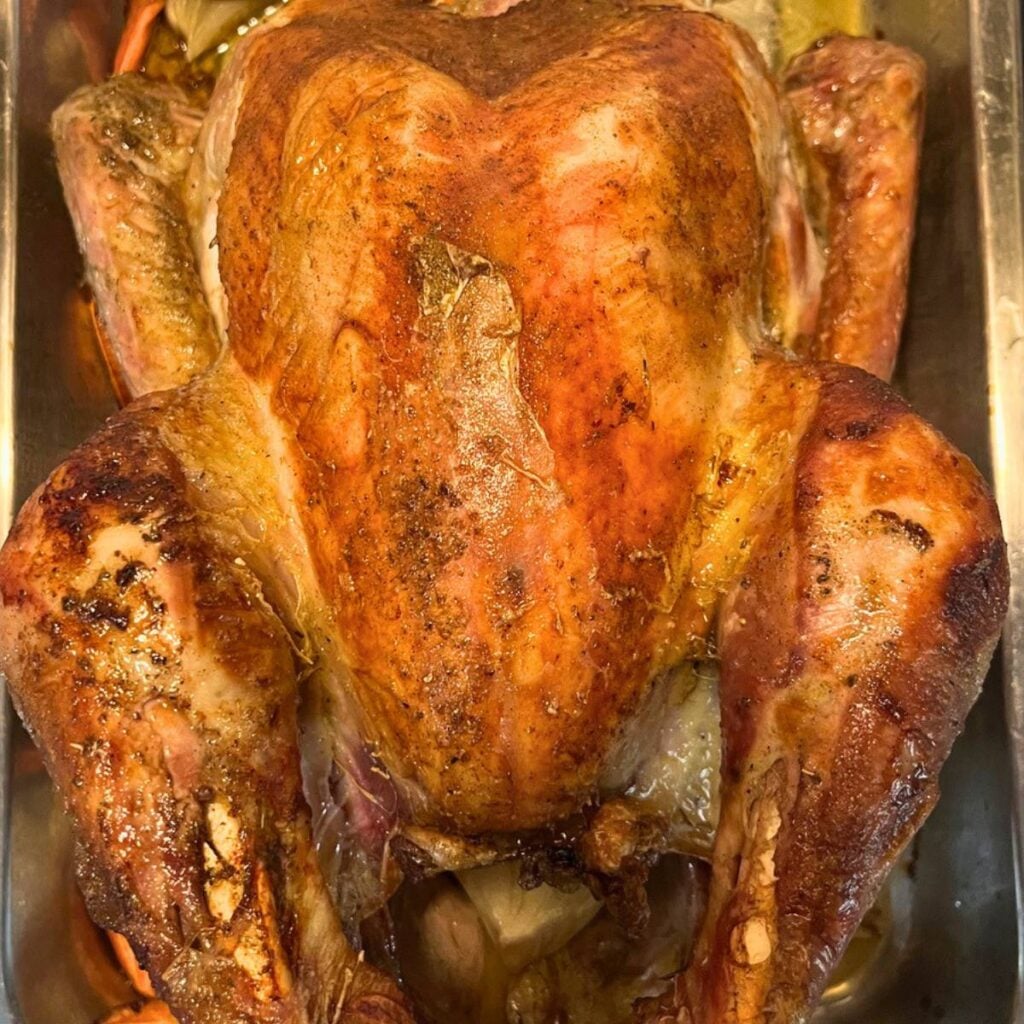
You bought that package of sliced turkey breast three days ago, and now you’re staring at it wondering if it’s still safe to eat.
That hesitation? It’s your brain telling you something important. The difference between fresh and spoiled deli meat isn’t always obvious until it’s too late. Some signs scream danger while others whisper warnings you might miss.
The clock starts ticking the moment you open that package or bring home your deli counter haul. Temperature, packaging, and handling all play roles in whether your turkey makes it to day three or pushes toward day seven.
Here’s everything you need to know about storing sliced turkey breast so you can eat confidently without gambling on freshness.
How Long Does Sliced Turkey Breast Last in the Fridge?
Let’s go over the time frame and best option for storing lunch meat.
The 3 to 5 Day Rule for Opened Turkey
Once you break that seal, your sliced turkey breast enters a race against bacteria growth. The USDA sets clear boundaries here, and they’re not suggestions.
Opened deli turkey lasts 3 to 5 days in the fridge when stored at 40°F or below. That’s your window. Not a week. Not “until it smells funny.” Three to five days, period.
The range exists because storage quality varies. If you immediately wrap your leftover turkey in an airtight container and keep your fridge consistently cold, you’re looking at the longer end. If it sits in original packaging that gets opened multiple times, or your fridge runs warm, you’re closer to three days.
Anchor Hocking is my favorite brand of glass airtight container. They hold up very well and last for many years without the lids breaking apart.
Day three is your safety checkpoint. Inspect closely. Day five is your absolute deadline for cold cuts.
Unopened Packages Buy You More Time
Factory-sealed packages operate under different rules because commercial packaging creates barriers home storage can’t match.
- Unopened lunch meat lasts 7 to 10 days past the sell-by date when refrigerated properly
- Vacuum-sealed packages can push 2 weeks thanks to oxygen removal that slows bacterial growth
- The sell-by date isn’t an expiration date, it’s a freshness guideline for retailers
That date stamped on your package tells stores when to rotate stock, not when your turkey transforms into a biohazard. You’ve got breathing room, but don’t treat it like a suggestion to ignore all other signs.
Check your package integrity before trusting these timelines. Any tears, punctures, or compromised seals reset your clock to the opened timeline.
Temperature Controls Everything
Your fridge temperature isn’t just a number, it’s the single biggest factor in turkey shelf life.
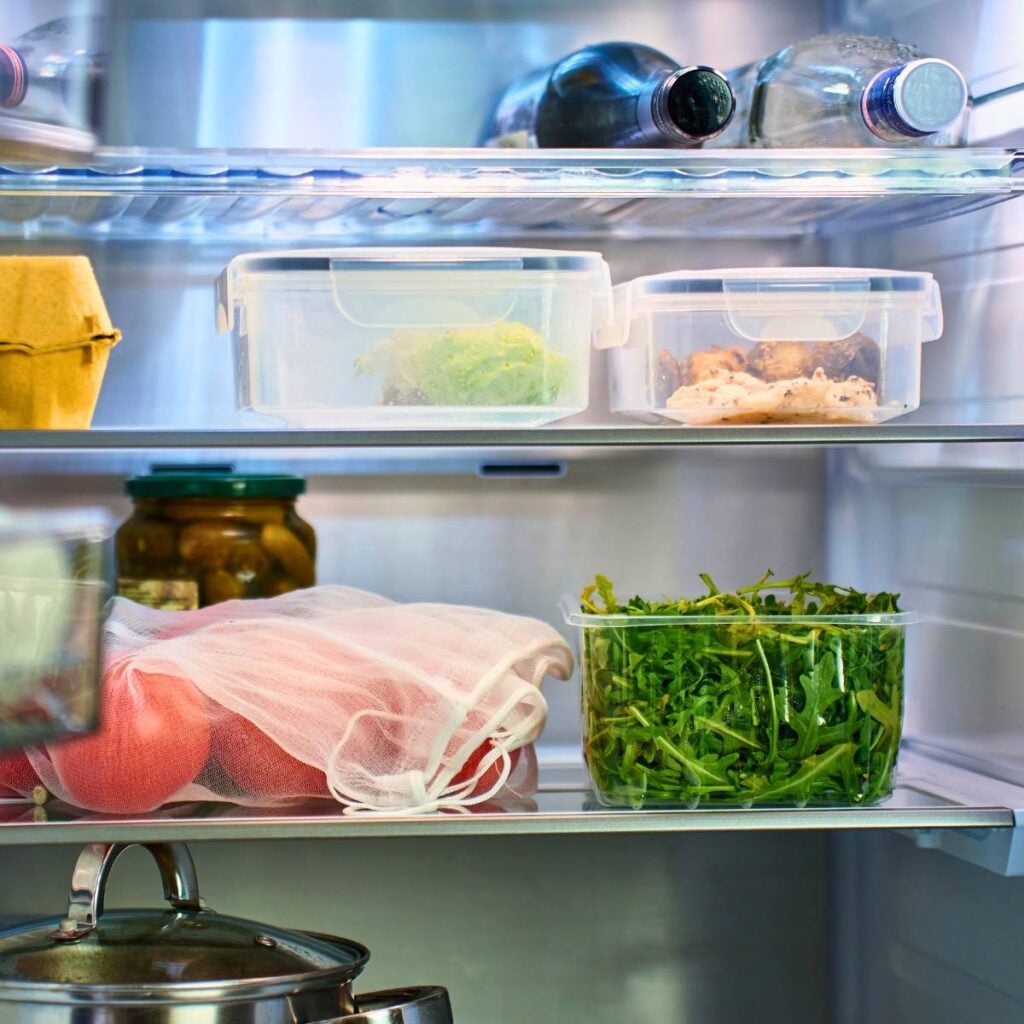
Set your refrigerator to 40°F or below. Bacteria multiply rapidly between 40°F and 140°F, the danger zone where food safety falls apart. Even a few degrees makes a difference.
Cold spots matter. Store your turkey on the bottom shelf toward the back, not in the door. Door storage exposes meat to temperature swings every time someone grabs the milk. The back of lower shelves stays coldest and most consistent.
If your fridge runs warm or you’re unsure about its temperature, invest in a fridge thermometer. They cost a few dollars and prevent hundreds in wasted food and potential illness. We have one of these on every fridge and freezer we have. I like that an alarm goes off when the temperature varies from the setting we choose.
How Long Does Sliced Turkey Breast Last in the Fridge? Warning Signs Your Turkey Turned Bad
Your senses are built-in safety detectors, but you need to know what triggers matter.
- Slimy texture is bacteria creating biofilm on the surface
- Sour smell or ammonia smell signals decomposition has started
- Color shifts to gray, green, or develops dark spots show oxidation and spoilage
- Excessive moisture or liquid pooling in the package indicates breakdown
Don’t taste test questionable turkey. If two or more warning signs appear, toss it immediately. Food poisoning from spoiled turkey leftovers can land you in the hospital with salmonella or listeria infections. Pregnant women should take care because their immune systems are already working hard. Listeriosis can pass through the placenta, affect the baby, and potentially result in miscarriage.
Trust your gut over the calendar. If day two turkey looks or smells off, the date doesn’t override obvious spoilage.
Freezing Extends Life to 2 Months
Your freezer transforms short-term storage into long-term preservation when you know you won’t use turkey in time.
Frozen sliced turkey lasts 1 to 2 months without significant quality loss. Beyond that, it’s safe but texture and flavor degrade.
Proper freezing technique:
Remove turkey from original packaging. Separate into smaller portions or single-use portions. Wrap each portion tightly in plastic wrap, then again in aluminum foil or freezer bags. Label with the freeze date.
Double wrapping prevents freezer burn, the moisture loss that turns turkey dry and tasteless. Portion control means you thaw only what you need instead of refreezing leftovers, which damages quality.
Thaw frozen turkey in the fridge overnight, never on the counter. Once thawed, use within 3 to 5 days and never refreeze.

Common Storage Mistakes That Waste Money
Most people unknowingly sabotage their turkey storage with simple errors.
Leaving turkey in deli paper after opening creates moisture pockets where bacteria thrive. The best way to store deli meat is to transfer to airtight containers or resealable bags immediately.
Stacking other items on top of turkey packages can puncture packaging or compress slices, creating bacterial breeding grounds in the pressed areas.
Storing turkey above raw meat risks cross-contamination if anything drips. Always keep deli meat on higher shelves than raw proteins like whole raw turkeys.
Ignoring your fridge’s humidity settings matters more than you think. High humidity drawers are for vegetables. Keep turkey in standard refrigerator sections where humidity stays lower.
These mistakes seem small but they’re the difference between turkey that lasts five days and turkey that goes bad in two.
You’ve now got the complete timeline and storage strategy to keep your sliced turkey breast safe and fresh. No more guessing games when you reach for sandwich ingredients. The rules are simple: respect the timeline, watch the temperature, trust your senses, and when in doubt, throw it out. Your family’s health is worth more than saving a few slices of questionable turkey.
More Food Storage Posts from the Farm
- How long can you freeze vegetable soup? Easy recipe!
- Does cranberry juice go bad? How long does it last?
- Easy Homemade Butter: How to Make and Store It
- How Long Does Homemade Lard Last in the Fridge?
- How Long Do Brownies Last in the Fridge Exactly?