Comparing Smoke Points of Traditional Cooking Fats and Oils
When you are cooking with traditional cooking fats, it’s important to know the different smoke points of each fat and oil. The smoke point affects which type of fat you choose for recipes and different methods of cooking.
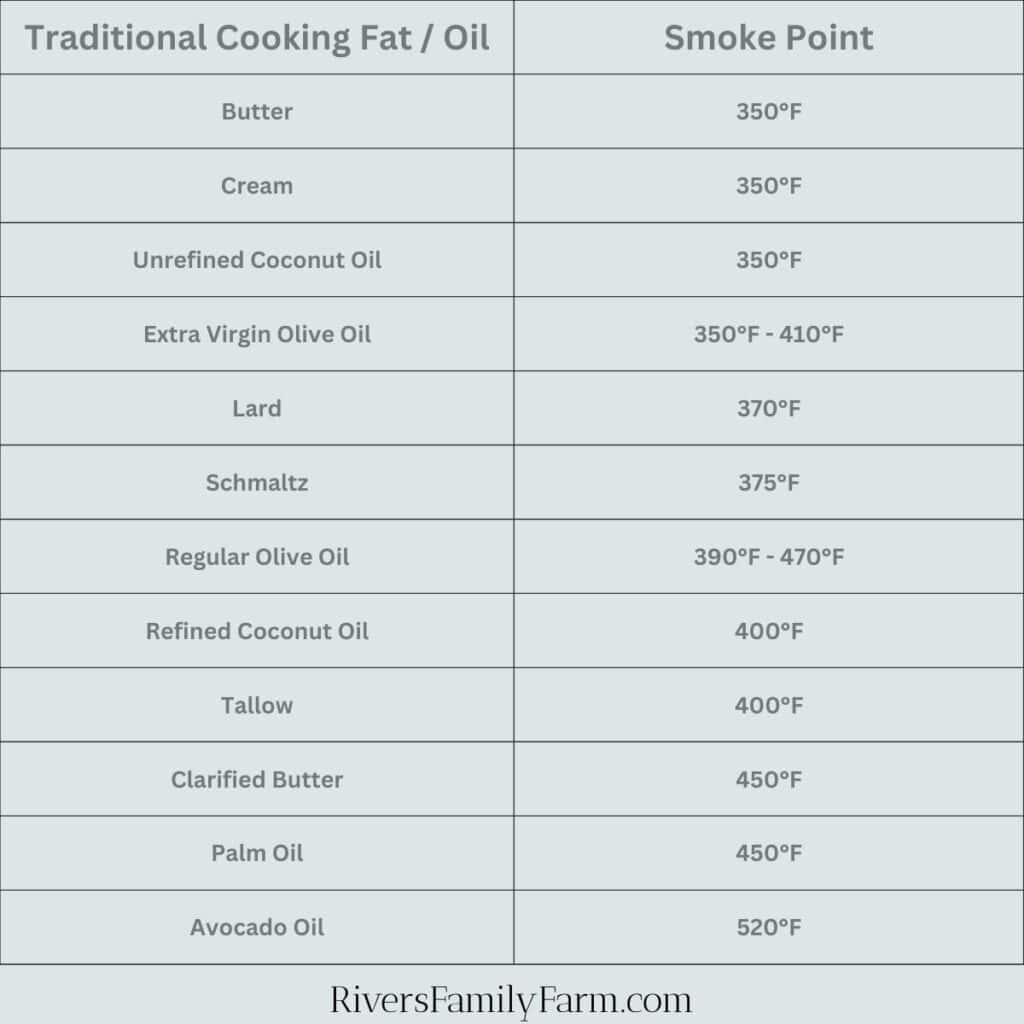
First, it’s important to know that you shouldn’t heat fat or oil past the smoking point. Not only will it impart a burnt flavor, but doing so damages the fats and makes it harmful (even carcinogenic) to your health.
Us home cooks go to a lot of effort to make healthy meals for our family. And either I wasn’t paying attention in Home Economics class on the day the teacher went over smoking points, or it wasn’t discussed. I remember the teacher was fond of using Crisco.
When I started cooking for my own family and made the switch to using traditional, whole foods and ingredients, I still didn’t really “get” smoke points or the importance of knowing them. I hope this post helps answer some of the questions of newer and even seasoned home cooks!
Health Benefits of Traditional Cooking Fats and Oils
Fats from animal, vegetable, and tropical sources provide energy and the building blocks for cell membranes, along with a variety of hormones and hormone-like substances. Fats act as carriers so the body can absorb fat-soluble vitamins A, D, E, and K, and minerals.
Recent research has brought light to a sometimes confusing topic.
The cause of heart disease and high cholesterol is not animal fats, but highly processed vegetable oils and hydrogenated fats (hello margarine and Crisco), excess refined carbohydrates (processed, white sugar and white flour), mineral deficiencies (low levels of magnesium and iodine), vitamin deficiencies (specifically vitamins A, C, and D, which are needed for building strong blood vessel walls; and antioxidants like selenium and vitamin E), and not eating enough traditional fats.
For more information, read “Spotlight on UPFs: NIH explores link between ultra-processed foods and heart disease,” by the United States National Institutes of Health (NIH) and Advances in Nutrition, by Elsevier.
Key Terms to Know
Render – Melting down fat at a low temperature until the water evaporates, and removing the solid bits of tissue.
Cracklings: Fried bits of solids left over after rendering animal fat.
Leaf fat: Animal fat around the kidneys.
Leaf lard: Rendered leaf fat.
Smoke point: The temperature fat can be heated before it starts to smoke and become toxic.
This post contains affiliate links, which means I make a small commission at no cost to you. See my full disclosure here.
Comparing Smoke Points of Traditional Cooking Fats and Oils
You don’t need to use every cooking fat and oil in your kitchen, but it’s helpful to know the benefits of each one so that you can make an educated decision on what you want to use and when you want to use it.
Rendered Animal Fats
Lard
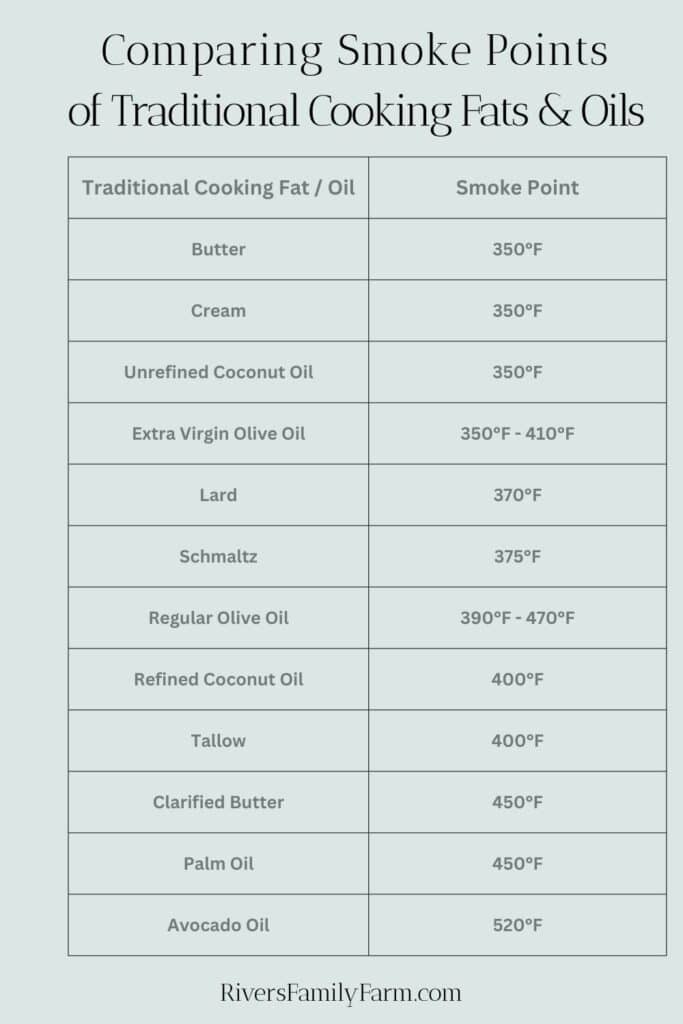
Lard’s smoke point is 370°F, so use it in baked goods where the baking temperature is less than 370°F.
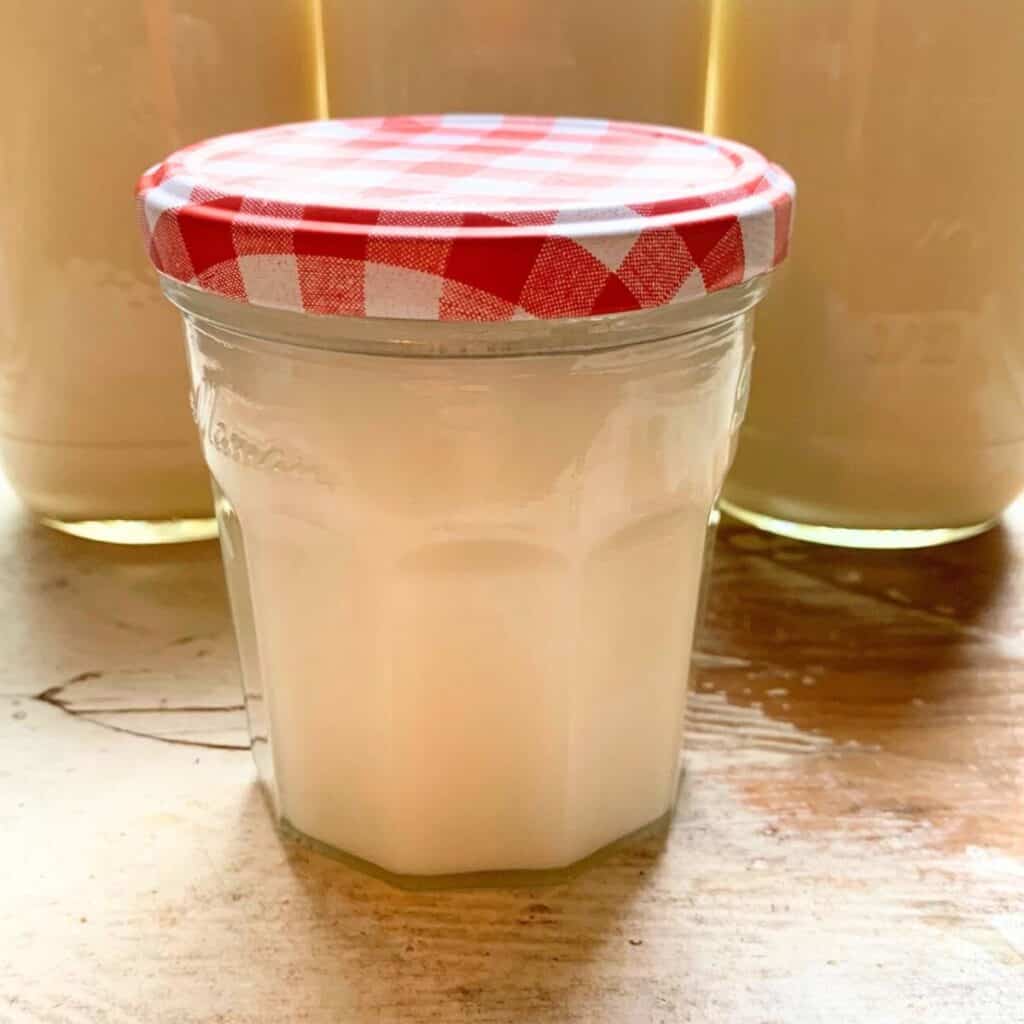
Lard is melted pork fat, which is high in vitamin D ( good for healthy bones and teeth). Don’t buy store-bought lard because it’s not processed in a healthy way and often contains harmful chemicals. Save your own pork fat in the freezer and render it when you have enough fat.
The pork fat is melted on low heat until all of the water has evaporated out of it, and the fat separates from the meat tissues (“cracklings”). You can use lard in place of vegetable shortening in recipes.
Lard is similar to butter in that it is semi-solid at room temperature and can get soft in warm weather. It is white with very little pork flavor, and is a stable fat which makes it a great option for deep-fat frying.
Leaf lard is the most neutral-flavored fat around a pig’s kidneys and is traditionally used for making flaky pie and pastry crust.
With proper storage, pure lard in a tightly sealed container can last for years. But lard’s shelf life is dependent on how it is prepared, handled, and stored.
Lard is great for greasing cake, muffin, and loaf pans. And when the lard goes bad (rancid), we still keep it around for greasing hinges, shining shoes, and to make various things waterproof!
I wrote a post on how to make and store lard if you’d like to learn how.
Schmaltz
The smoke point of schmaltz is 375°F, so it’s a pretty good multi-purpose cooking fat with great flavor.
Schmaltz is melted poultry fat such as from a chicken, turkey, duck, or goose. Chicken fat is about 31 percent saturated fat, 49 percent monounsaturated fats, and 20 percent polyunsaturated fats (most of which is omega-6 linoleic acid). You can raise the amount of omega-3 by feeding the chickens more insects, or letting them free-range to hunt for their own.
It’s soft at room temperature and has a rich and delicious flavor. I love to melt schmaltz in a small saucepan and drizzle it over the top of root vegetables before putting them in the oven to roast. It gives the vegetables a great flavor and crispy texture.
Schmaltz is a necessary ingredient in Jewish cooking. It makes flavorful matzo balls for matzo ball soup, and is widely used for frying in kosher kitchens and Jewish cuisine.
If you can get it (or raise it), pasture-raised poultry has yellow to orange fat compared to industrially-raised poultry with white fat. The flavor profile is better, too.
The best way to store schmaltz is to keep it cold. Freeze it for long term storage, and keep just one small jar of schmaltz in your refrigerator as you work through it.
I wrote a post on how to make and store schmaltz if you’d like to learn.
Tallow
Tallow has a high smoke point of 400°F, so it is suitable for high-heat cooking like deep frying and roasting.
It is melted ruminant animal fat, such as from cows, sheep, and goats. Suet (leaf fat) is the raw, hard fat around the loins and kidneys.
It’s a very hard fat at room temperature and liquefies at high heat. I can count on one hand how many times I deep-fry food in a year, but occasionally I will use tallow to deep-fry delicious beef liver “nuggets” that the family loves.
Tallow is also great for making soap, candles, and body lotions. You can even use it to season cast iron, condition wood, and even as a bird food in winter! Smear it over a pinecone and roll it in birdseed to enjoy watching the birds all winter long.
Rendered Dairy Fats
Butter
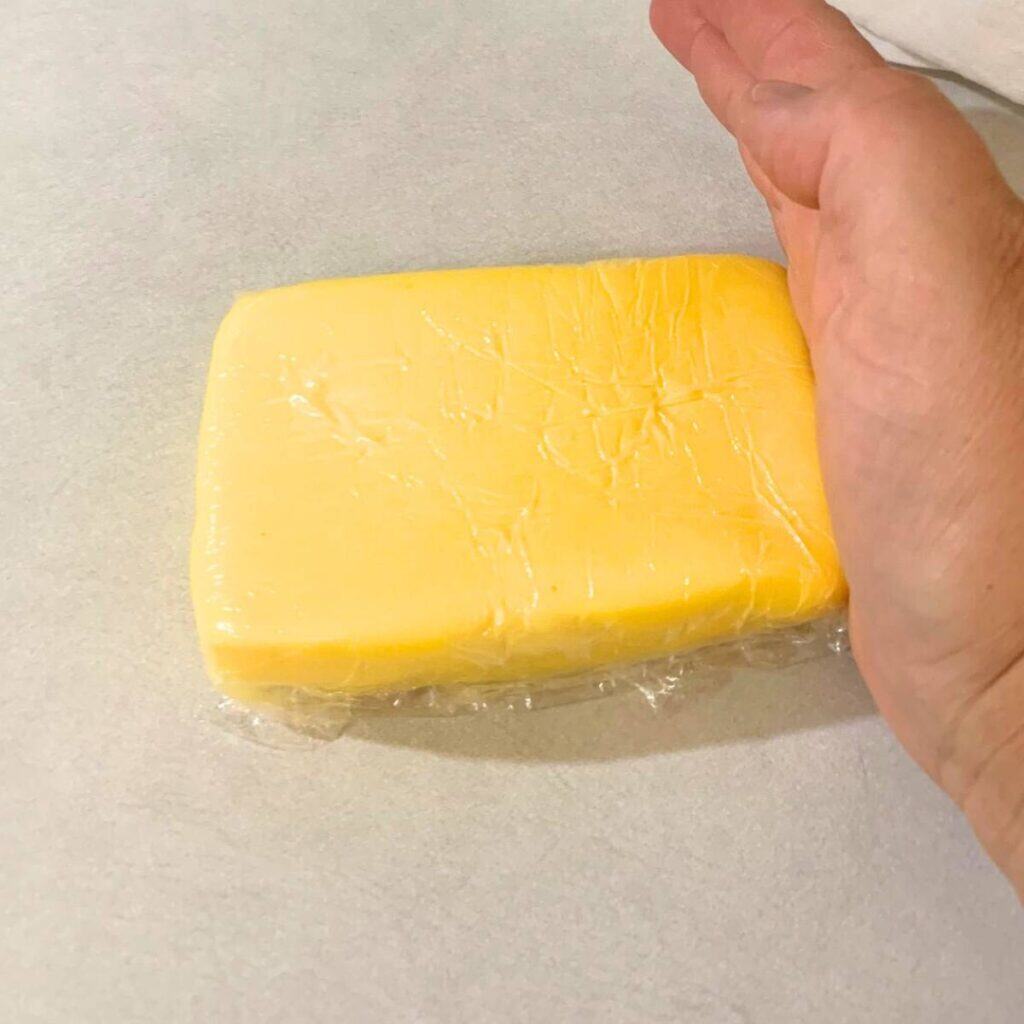
Butter has a smoke point of 350°F. It’s best when melted over hot foods, for sauteing on medium or lower temperatures, or in baked goods where the temperature doesn’t exceed 350°F. It also tastes so delicious and gives your vegetables a nice, brown color when it’s heated in a frying pan.
Did you know that butter has more vitamin A per gram than any other fat? That means it’s good for your vision, immune system, and helps develop healthy cells. But not all butter is created equal. Irish butter has more vitamin A than raw, grass-fed butter. And raw, grass-fed butter has more than regular grocery store butter.
Clarified butter (“ghee”) is butter that has been melted so that the milk solids can be removed. Clarified butter has a higher smoke point of 450°F, so it’s good for deep-frying or for oven-roasting at high temperatures.
I wrote a post on how to make and store butter so that it lasts a long time if you’d like to learn how.
Cream
Cream has a smoke point of 350°F, but most people don’t think of cream as a cooking fat. It adds a creamy texture and richness to sauces, soups, and other dishes, so it’s still important to be aware of the temperature when you add it to your recipes.
It’s a good idea to add cream after the dishes have been fully cooked, or at the end of recipes, since it has a lower smoke point.
Vegetable Oils

Olive Oil
Extra virgin olive oil has a smoke point between 350°F – 410°F, depending on the olive and brand. Regular olive oil (not extra virgin) has a smoke point between 390°F – 470°F.
Olive oil has a robust flavor, which makes it good for roasting. It’s also popular to create your own unique flavors. Simply add various herbs and spices to separate jars of olive oil, and make your own salad dressings.
Avocado Oil
Avocado oil has a smoke point of 520°F. It has a neutral flavor, which makes it a great option when you don’t want any other flavors in your fried or baked goods.
Avocado oil is one my go-to favorite oils, and the option I choose for baking cakes or frying pancakes.
Tropical Oils
Coconut Oil
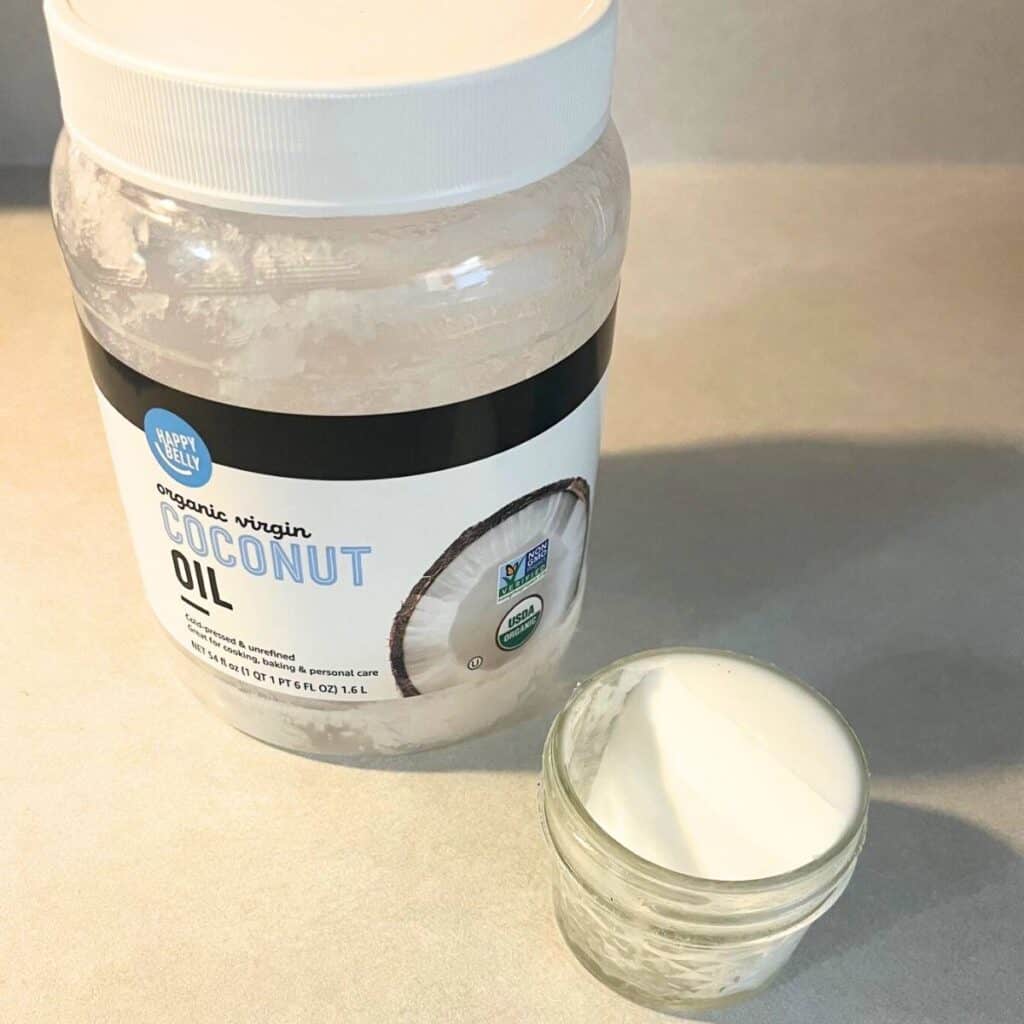
Unrefined coconut oil has a smoke point of 350°F. That makes it perfect for cooking, baking, and even making your own body products like salves and skin balms. It’s unrefined, so it has the coconut smell and flavor if you like that. I love using it to make German chocolate cake and for popping popcorn on the stove.
Refined coconut oil has a smoke point of 400°F, and it doesn’t have a coconut smell or flavor.
Coconut oil has high levels of lauric acid, which is also found in high levels in breastmilk. It also has antifungal and antimicrobial properties, which is why I use it in my homemade salves and balms.
Palm Oil
Palm oil has a smoke point of 450°F. I have never used palm oil before, but it’s an alternative to butter and other fats in cooking. I don’t know what it tastes like, so I can’t speak to that.
Look for sustainable options. Red palm oil has a strong taste. Clarified palm oil is tasteless and white in color.
Pin It For Later!
Other Related Posts
How to Make and Store Rendered Chicken Fat (Schmaltz)