What Kind of Vodka for Vanilla Extract? You Should Know!
What kind of vodka should you use for homemade vanilla extract? I’ll share what you really need to know!
This post may contain affiliate links. Please read our disclosure policy.
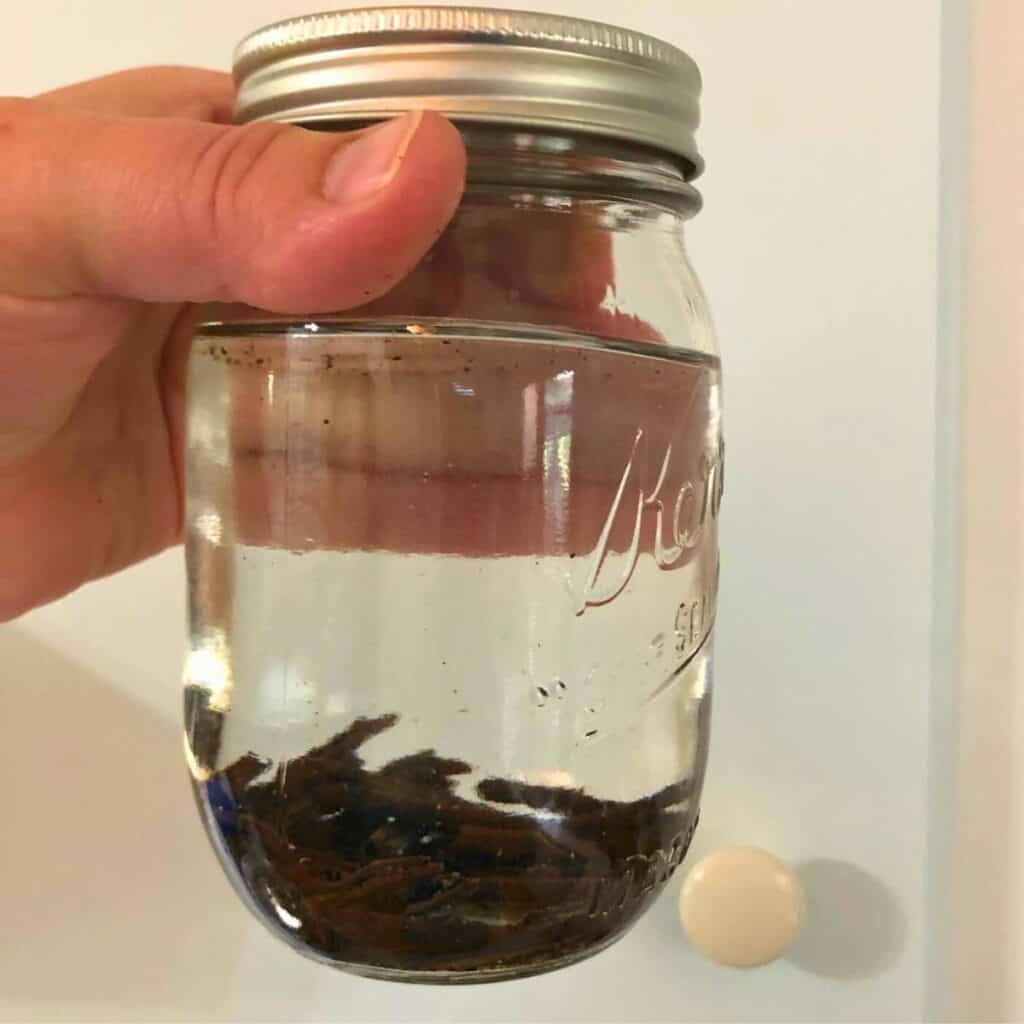
Let’s talk about something that’s pure joy in a jar: homemade vanilla extract.
If you love the smell of vanilla drifting through your kitchen, the promise of baking, the quiet ritual of extracting flavor over time, then you’re going to adore making your own vanilla extract. Whether you’re baking cookies for the holiday season, whipping up rich ice cream, or just want a staple in your pantry that turns “meh” desserts into memorable treats, homemade vanilla is where it’s at.
It’s simple, it’s satisfying, and it’s something that both a down-home baker and a seasoned pastry chef can appreciate. And you only need two ingredients: vanilla pods and alcohol (extractant). But when it comes to choosing the right spirit, things can get a little confusing.
So if you’ve ever stood in the grocery store aisle wondering, “What kind of vodka should I get for vanilla extract?”, you’re not alone.
Today, we’re breaking it all down. I’ll go over the best spirits to use, the best types of vanilla beans to use, and the easiest way to make your own vanilla extract that tastes miles better than anything store-bought.
This post contains affiliate links, which means I make a small commission at no cost to you. See my full disclosure here.
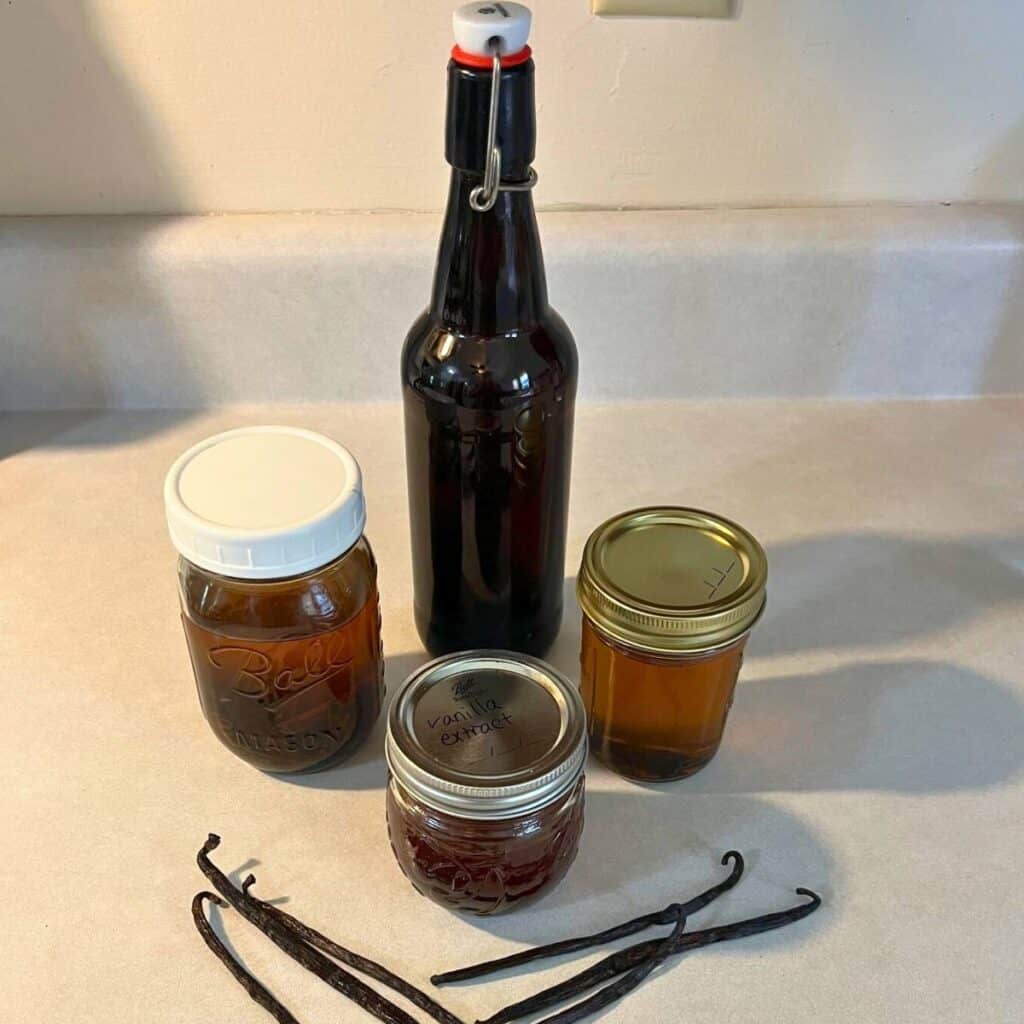
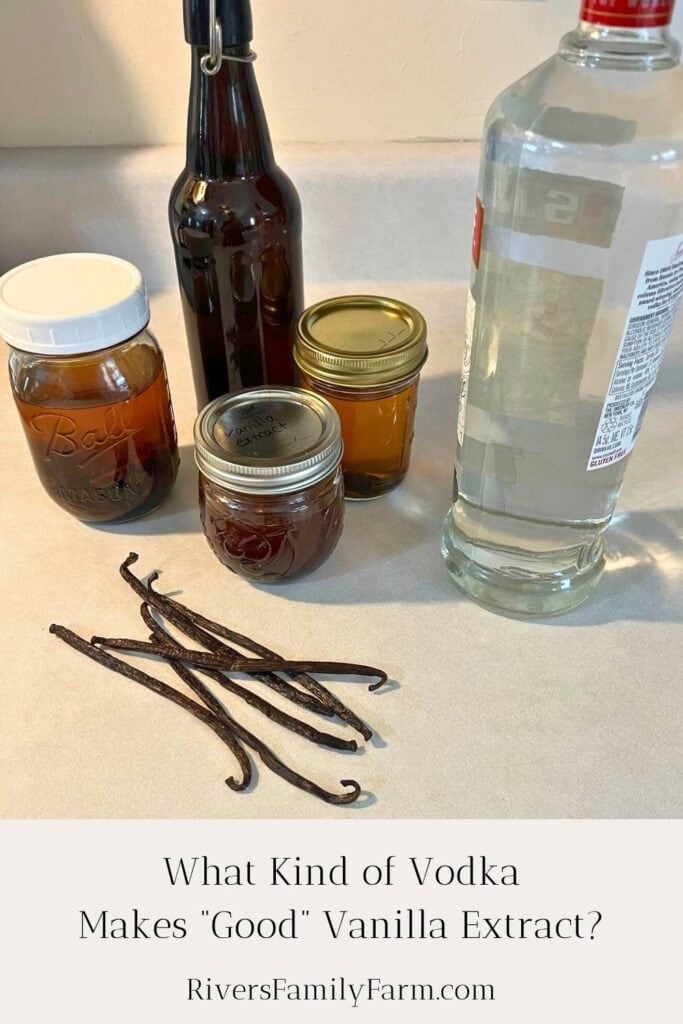
So, what kind of vodka should you use?
The short answer? Use a quality vodka that’s:
- Unflavored
- 80 proof (that’s 40% alcohol)
- Smooth and clean — not too fancy, not too cheap
A good neutral flavor is key here. You don’t want any artificial flavors muddling the delicate vanilla. Vodka is the traditional choice because it’s odorless and tasteless, allowing the vanilla to shine.
And yes, 80 proof alcohol is the magic number. That’s the sweet spot for pulling out all the beautiful flavor compounds from those beans and preserving them for the long haul.
Vodka is a flavorless, colorless, distilled alcoholic spirit that is made from fermenting grains or potatoes and then diluting it with water to achieve its final alcohol content of at least 40% ABV (alcohol by volume). The word itself comes from the Russian word “voda,” meaning “water”. Its neutral flavor profile makes it a great base for homemade extract.
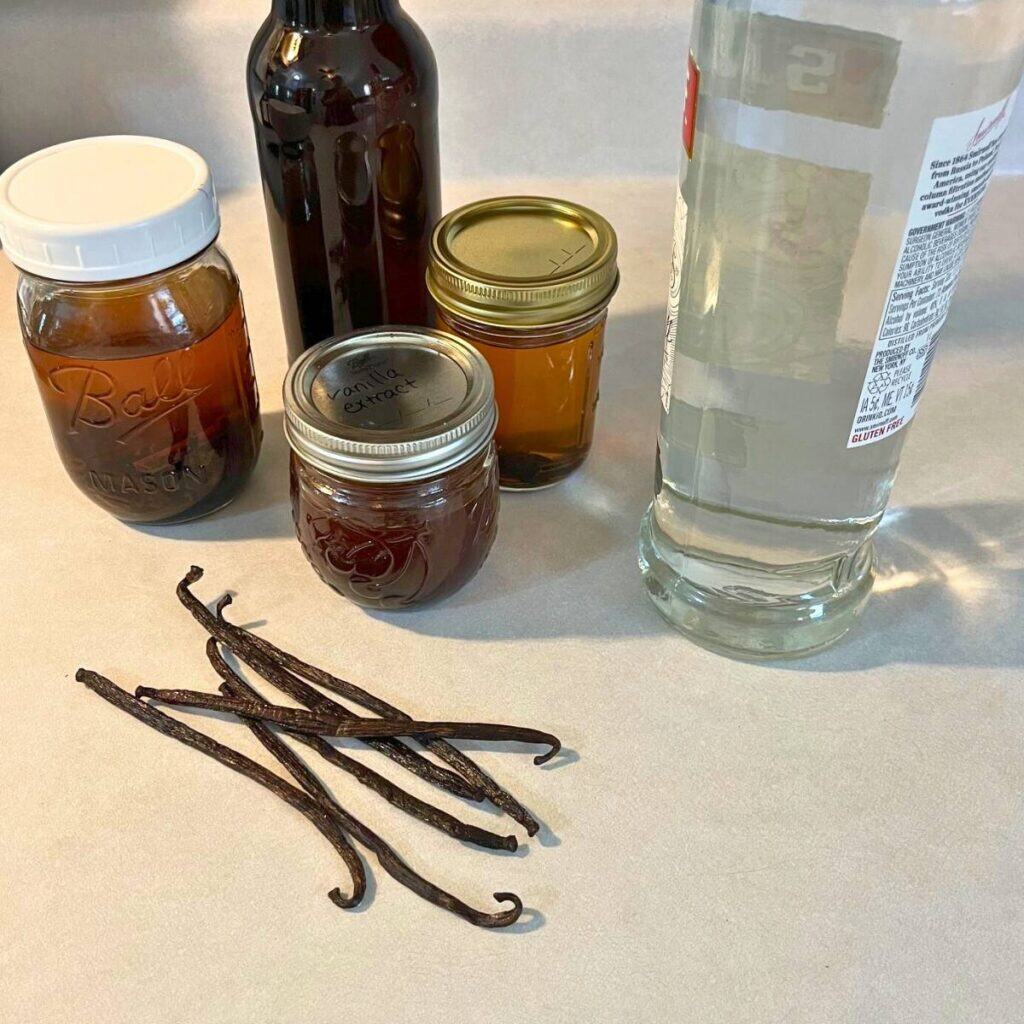
Why make vanilla extract yourself?
Before diving into which vodka is best, it helps to understand why this even matters.
Flavor — Store-bought vanilla extract is often diluted, sometimes flavored or colored, and sometimes made with inferior beans. When you control the ingredients (the type of vanilla bean, the high alcohol content, the purity of the spirit) you get richer, more complex flavor compounds.
Purity — You can avoid artificial flavors, unnecessary additives, cheap lower-grade alcohols, or vague “natural flavors.” When you make your own, it can be a pure vanilla extract.
Cost over time — Good vanilla beans aren’t cheap, but when you buy a batch and use them over months and years, the cost per ounce drops dramatically compared to buying tiny bottles from high-end stores.
Gift potential — A beautifully bottled jar of vanilla with nice glass bottles, homemade labels, maybe tied with ribbon, makes a lovely gift.
Creative freedom — You can experiment with different types of vanilla beans, different spirits (vodka, white rum, even dark rum or bourbon), different aging times, even blends to get different results.
Spirits – Vodka and Other Options
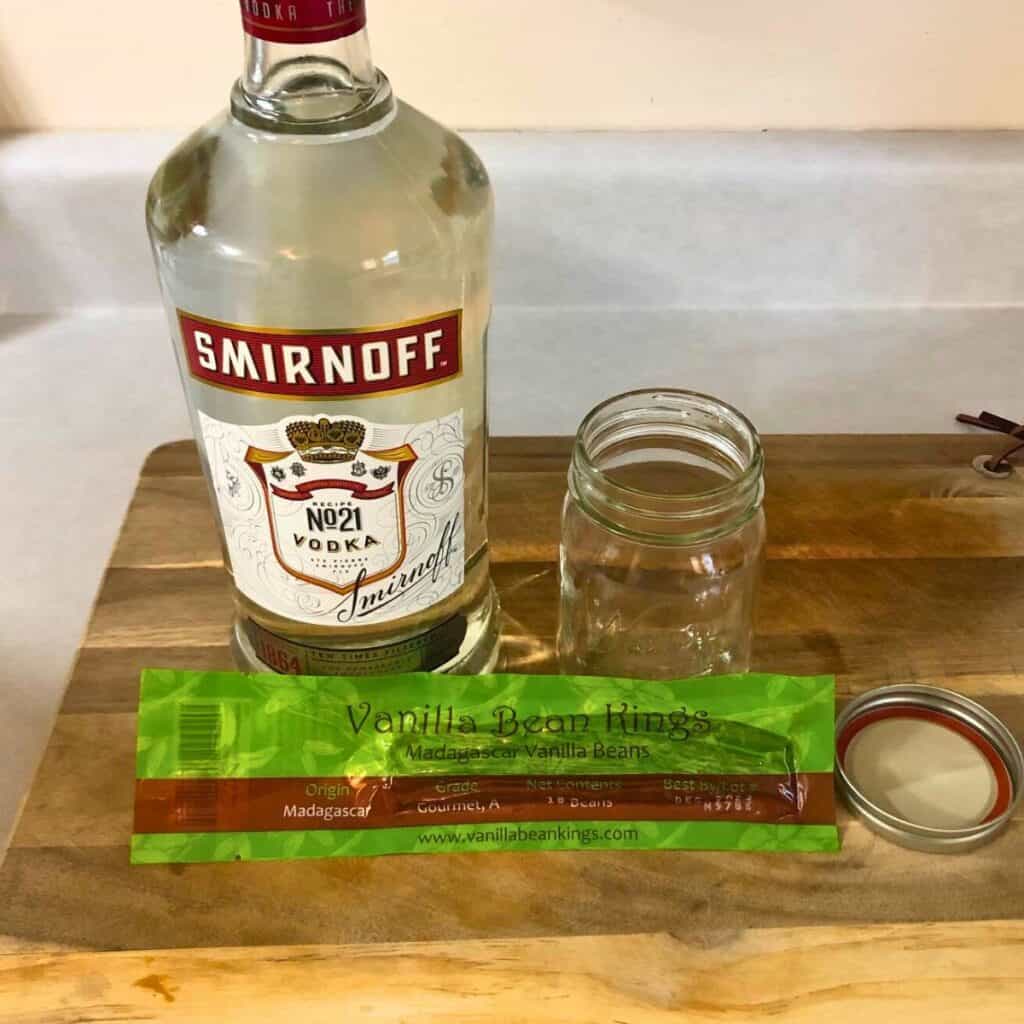
Vodka: The Classic Choice
Why vodka? It’s neutral, clean, and it won’t compete with the vanilla. But not all vodka is created equal. Here’s what to look for:
Unflavored — Avoid any vodka that includes infusions or flavors. That includes citrus, berry, and vanilla-flavored vodka that would interfere with a pure vanilla extract.
80 proof (40% ABV) — This is the industry standard for pure vanilla extract. It’s strong enough to dissolve the oils and flavor compounds inside the bean and preserve them well. Anything lower (say 60 proof) may yield weaker extract; much higher and you might get burn or harshness.
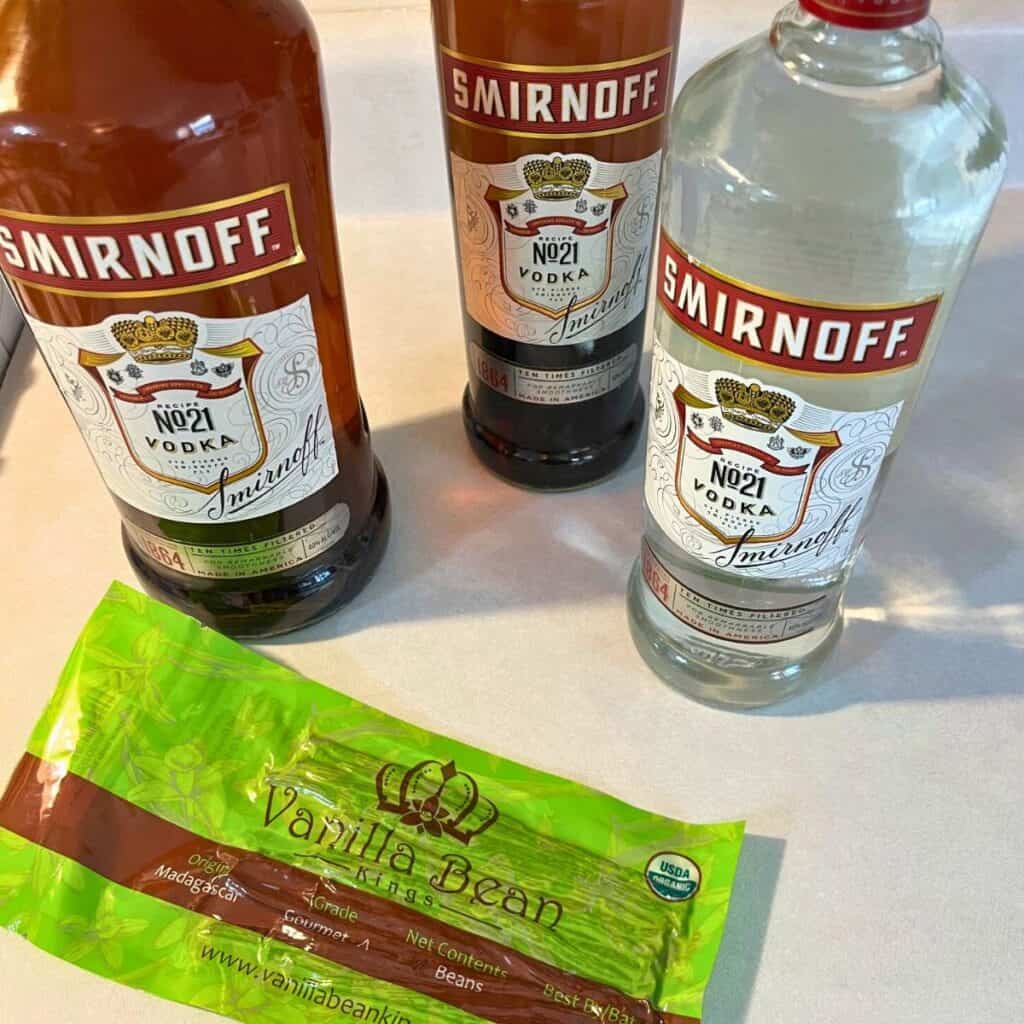
Quality vodka — Not ultra-premium, not bottom shelf. Something in the middle that’s clean, smooth, and reliable. Brands like Smirnoff No. 21, Tito’s Handmade Vodka, or perhaps Svedka or Skyy. If your budget is tight, something solid from the grocery store will work as long as it meets the proof requirement and is unflavored. Avoid the cheapest vodka that tastes raw or has weird aftertastes.
Grey Goose is superb, but is it worth it for extract? That’s up to you. If you already have a bottle or enjoy luxury, then yes. But you don’t need that level. The difference is subtle in the final profile.
Other Spirits & Flavor Tweaks
White rum — Adds a mild sweetness and tropical cookie vibe. If you enjoy a bit of depth without overwhelming the vanilla, this is nice.
Dark rum — Richer, molasses tones, and more body. This is particularly lovely if you use bourbon vanilla beans or Madagascar beans, and is perfect for warm desserts or fall/winter baking.
Bourbon or other brown spirits — Be aware that Bourbon and other brown spirits can carry strong flavor on their own, so they blend in with the vanilla instead of letting the vanilla pods lead.
You can even mix spirits—some people do part vodka, part rum—to play with different flavors of extract.
Want to know what the best vodka brand is for making vanilla extract? The good news is that you don’t need the fanciest bottle on the shelf. But don’t grab the cheapest vodka either. You want something middle-of-the-road.
Here are some go-to options:
- Smirnoff No. 21 – Affordable, widely available, and perfectly fine for extract-making.
- Tito’s Handmade Vodka – A little pricier but very smooth, and often used in homemade vanilla extract recipes.
- Svedka or Skyy – Neutral and consistent.
- Kirkland Signature Vodka (from Costco) – Many swear by it; some even say it’s just rebranded Grey Goose.
Any of these will give you a clean base and let your Madagascar vanilla beans do the talking.
What if you don’t want to use vodka?
If you don’t want to use vodka to make vanilla extract, no problem! You can also use Rum, Bourbon, or avoid alcohol altogether!!
- White rum – Slightly sweet, a fun twist on traditional extract.
- Dark rum – Rich, warm, and molasses-like. Wonderful for holiday baking.
- Bourbon – If you want a deep, smoky flavor (and yes, you can use bourbon vanilla beans for a double match).
Just remember: these aren’t neutral like vodka. They’ll infuse your extract with different flavors, which can be lovely in recipes like custards, cakes, or ice cream.
And if you don’t want to use any alcohol to make vanilla extract, that’s fine, too! I share a simple recipe for making alcohol free vanilla extract!
Vanilla Beans – Which ones should you use?
The beans are the real stars here. The kind of bean you choose matters just as much as the spirit. Here’s a quick guide to choosing the best type of vanilla bean for your extract:
- Madagascar vanilla beans (also called bourbon vanilla beans) — big, fat, classic. Rich in creamy flavor. My favorite for general use.
- Tahitian vanilla beans — more floral, fruity, light. Great for custards, creams, desserts that benefit from fragrance.
- Grade B vanilla beans — slightly dryer, less visually perfect (“wrinkled,” less oily), but packed with flavor. These are often the economical choice for extract because you’re extracting flavor over time.
- Grade A vanilla beans — plumper, more moist. Beautiful, but often more expensive. Excellent for baking directly (vanilla bean pastes, scalded custards, etc.), though for extract you may pay more than you need.
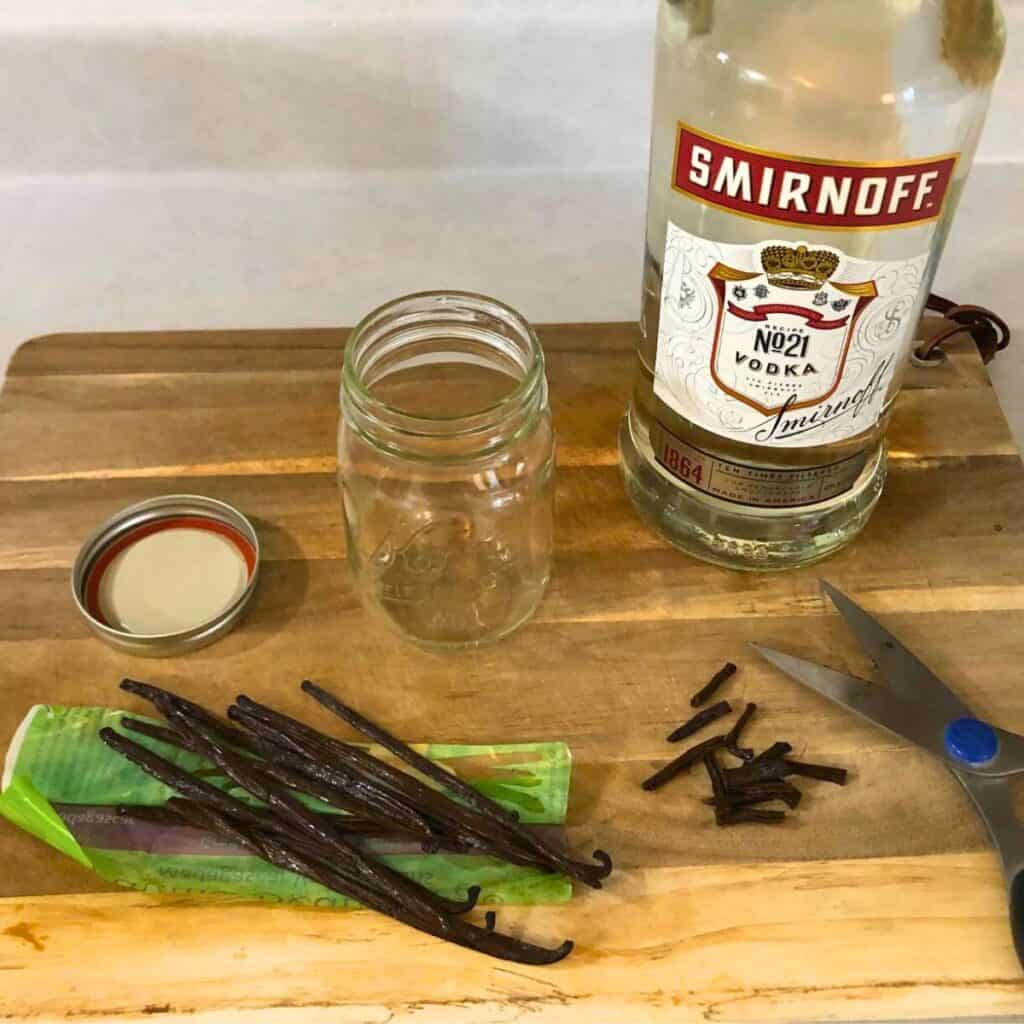
Whole Bean vs. Ground Vanilla or Vanilla Bean Paste
You really want to use whole beans. Splitting them open exposes those tiny seeds inside; that’s where much of the flavor lives. Ground vanilla or paste is nice for some uses, but for extraction, the whole bean gives you the best extraction over time.
How to Make Your Own Vanilla Extract (The Easiest Way)
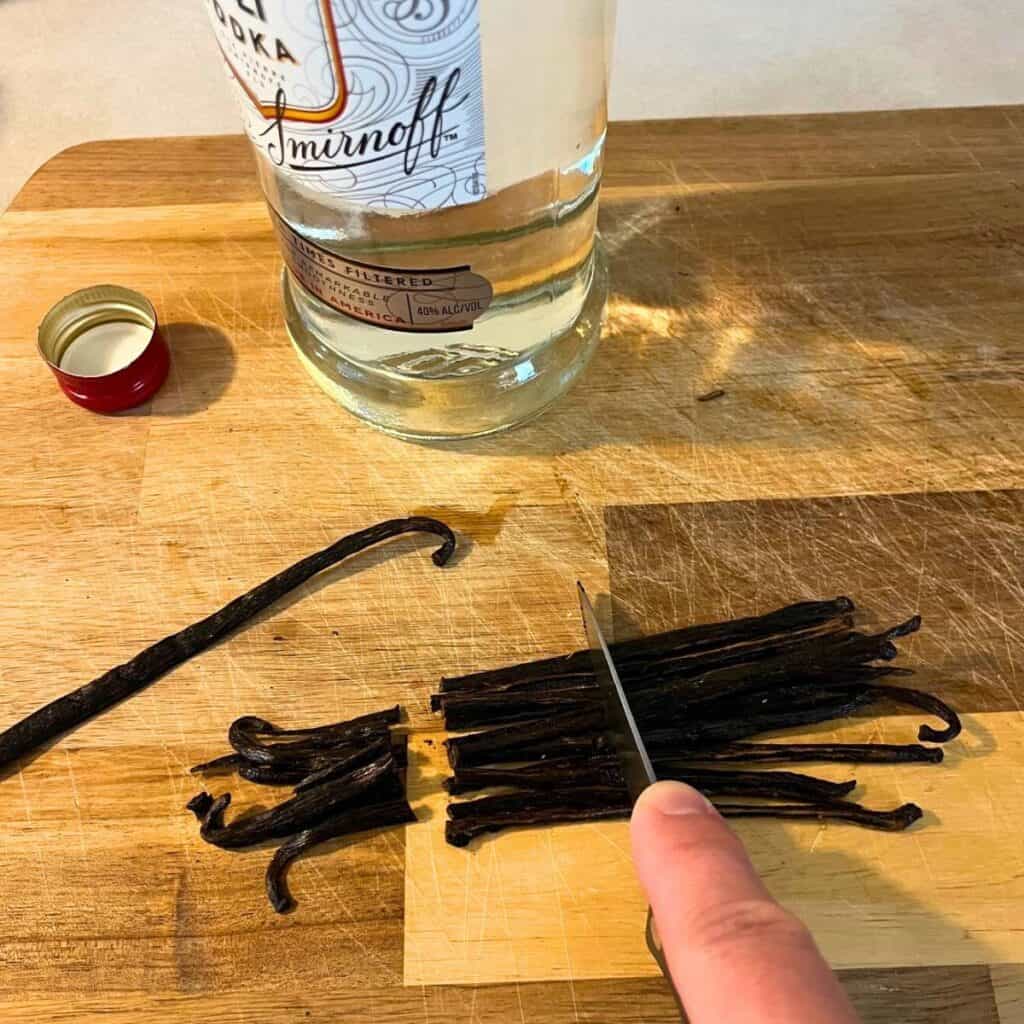
I share the easiest way to make a batch of deep, complex vanilla that will last a long time and level up every dessert you make. If you want to learn the process I’ve used for years, read how to make easy homemade vanilla extract!
Side Tips, Variations, and Tricks
Once your extract is ready, decant it into smaller bottles, label them with handwritten tags, and tie with a ribbon. Store them in your pantry or gift them during the holiday season. Few things are more charming or more useful than a bottle of homemade vanilla made with care.
Bonus idea? Throw in a jar of homemade vanilla sugar and a few recipes for cookies or custard!
For me, the best part of making your own vanilla extract isn’t just the flavor — it’s the ritual. Splitting beans with a sharp knife, pouring in that vodka, tucking the bottle into a quiet corner of the kitchen… It’s one of those cozy, grounding tasks that feels a little like bottling up comfort itself.
Come December, I hand them out to friends and neighbors in small mason jars or dropper bottles, and I promise, every single person lights up!
It’s real. It’s yours. And it’s way better than anything else in the spice aisle.
Once you try it, you’ll never go back to store-bought vanilla extract again.
Troubleshooting, FAQ, and Mistakes to Avoid
Even with a lot of enthusiasm, things don’t always go perfect. Here are the pitfalls and how to avoid them.
| Problem | Likely Cause | Fix |
|---|---|---|
| Extract tastes harsh or alcoholic | Spirit too cheap, low quality vodka, or spirit overpowering | Use better vodka; let it age longer; use more beans |
| Mold or cloudiness | Jar not clean; leftover moisture; sunlight exposure | Sanitize bottles; dry everything; move to a cool dark place |
| Weak vanilla flavor even after months | Not enough bean surface exposed; beans too dry; too little alcohol contact | Split whole beans more; shake occasionally; use higher quality beans |
| Burnt or overly strong flavor | Too much alcohol presence; perhaps using dark rum or bourbon | Dilute with a more neutral spirit; use vodka for a cleaner extract; age longer to smooth out the flavor |
Shop This Post
Pin It For Later!