Coffee Extract vs Coffee vs Green Coffee + Recipe
This post may contain affiliate links. Please read our disclosure policy.
Hey there, coffee lovers! It’s time to grab a mug, settle in, and have a little fun comparing coffee cousins: coffee extract, brewed coffee, and green coffee. Now, I’m no stranger to a strong cup of joe on the farm—whether it’s fueling early mornings with the cows or sneaking a sip while baking for the kids. But what’s the deal with these different coffee forms? Let’s spill the beans (pun intended!) and figure out which one’s your vibe.
Coffee
Let’s start with the star of the show: regular coffee. You know, the kind you brew up in your kitchen using ground coffee beans or grab at coffee shops on a busy morning.
Coffee is delicious warm to hot beverage most often drunk during the morning for it’s caffeine kick. However, it has been gaining in popularity as a cold and iced coffee in recent years.
Regular coffee also has some great health benefits. It’s packed with antioxidants, and studies suggest it might help keep your blood sugar in check and even lower the risk of certain diseases!
As for the caffeine content. A standard 8-ounce cup of coffee has about 95 mg of caffeine, though it can vary depending on how strong you brew it. Too much caffeine can get your heart racing fast, so if you’ve got high blood pressure, you might want to keep an eye on how many cups you’re sipping.
Coffee Extract
Coffee extract is a concentrated coffee that’s most often used in recipes…specifically chocolate recipes. The coffee flavor brings out the chocolate flavor even more.
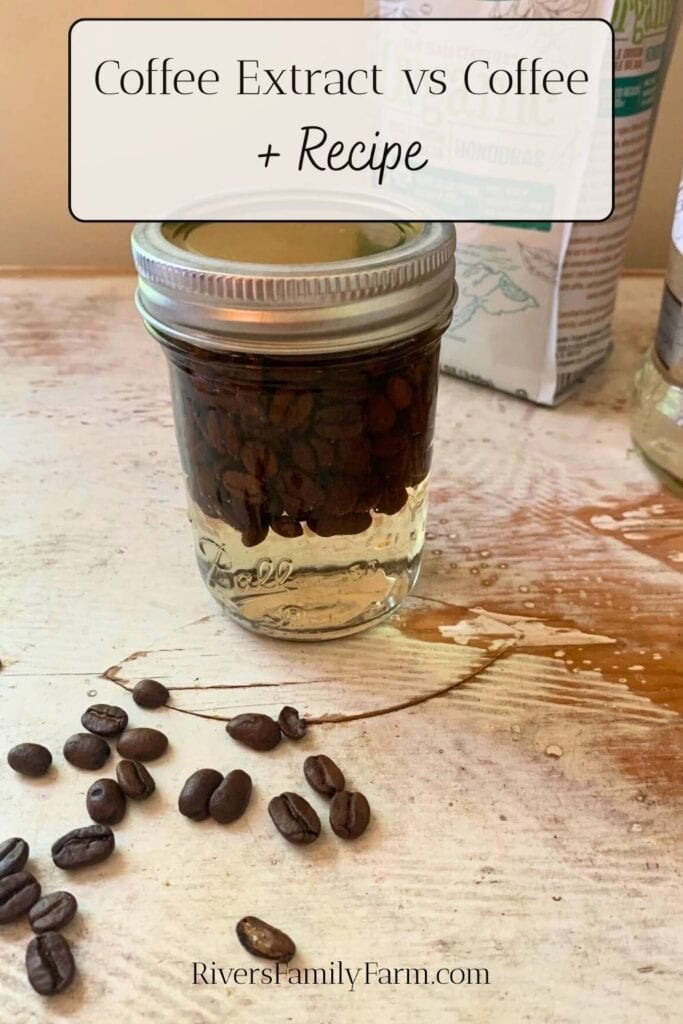
There are different ways to make your own coffee extract depending on your needs, but I’ll share the classic recipe of combining good, roasted coffee beans with vodka.
If you have dietary or religious reasons for avoiding alcohol in your kitchen, don’t worry! I’ll share an alternative recipe, too.
Green Coffee

Green coffee beans are pale green or grayish coffee beans. These are the unroasted coffee beans—straight from the coffee fruit, no roasting process involved.
They are the raw seeds (unroasted beans) from the coffee plant, which is typically Coffea arabica or Coffea robusta. Green coffee beans turn brown when they are roasted, which gives coffee its delicious aroma and flavor. They also have a soft, moist texture compared to the hard, brittle roasted beans.
They’re the talk of the town for folks chasing weight loss dreams. Why? Well, green coffee beans are loaded with chlorogenic acid, a compound that’s mostly lost when beans are roasted for regular coffee.
Some folks say chlorogenic acid can help with weight loss by giving your metabolism a nudge and helping regulate blood sugar. They also have antioxidant properties.
But as you can imagine, green coffee doesn’t taste like regular coffee. It has a grassy flavor, more like something you’d brew if you were trying to make a health tonic rather than a cozy drink. That’s why it’s growing in popularity as a supplement in pill form.
There is also less caffeine in green coffee compared to regular coffee—usually about 20-50 mg per serving, depending on how it’s prepared. So, if you’re looking for that morning jolt, green coffee might leave you feeling a little bit sleepy.
Green Coffee Extract
If you’re not keen on brewing up raw coffee beans, you might’ve heard about green coffee extract or green coffee bean extract. This is like the superhero version of green coffee. Think of it as a coffee concentrate packed with all the good stuff, especially that chlorogenic acid to aid in fat loss.
You’ll find green coffee extract in capsules or powders, and it’s marketed as a weight loss wonder. Sometimes the capsules also include green tea extract. Some studies suggest it might help folks shed a bit of body weight, but don’t expect miracles.
The caffeine content in green coffee extract varies, but it’s usually less than a cup of regular coffee, and between 20-50 mg of caffeine per dose. That’s enough to give you a gentle pick-me-up without making you feel jittery.
But, just like with anything, talk to your doctor before diving into green coffee bean extract, especially if you’ve got high blood pressure, heart disease, or other health concerns.
Coffee Concentrate
And then there’s coffee concentrate, which is like instant coffee’s fancier cousin. It’s made by brewing regular coffee super strong and then reducing it down to a thick, potent liquid.
You can mix it with hot water or milk for a quick cup of coffee that’s ready faster than you can say “biscuits and gravy.” The caffeine content depends on how much you dilute it, but it can pack as much caffeine as regular coffee or more if you’re heavy-handed with the concentrate.
Coffee concentrate is a lifesaver for busy mornings when you don’t have time to brew a full pot. But it doesn’t have the same chlorogenic acid content as green coffee extract, since it’s made from roasted beans. So, while it’s great for a flavor-packed caffeine kick, it’s not bringing the same weight loss or blood sugar benefits as green coffee.
Homemade Coffee Extract
It’s extremely simple to make coffee extract. The method you choose will depend on whether you want to use alcohol or not, but the process is almost identical regardless of the method you choose.

Ingredients
Coffee beans – Use whole coffee beans and choose organic if you can. Then choose the coffee bean that you love the flavor of the most!
My sweet husband and I drink medium roasted coffee. But you can make coffee extract with light roast and dark roast coffee beans, too.
Vodka – Vodka is flavorless, so it’s the alcohol most often used for making culinary extracts. Choose 80-proof (40%) or higher alcohol.
If you have dietary or religious reasons for avoiding alcohol, swap out the vodka for non-GMO food grade vegetable glycerin and filtered water. You’ll need one part filtered water to three parts food grade vegetable glycerin.
This post contains affiliate links, which means I make a small commission at no cost to you. See my full disclosure here.
Tools You May Need
Glass jar – For best results, make your extracts in a glass jar with a tight fitting lid. Mason jars are easy to come by, affordable, and are available in a variety of sizes.
Instructions to Make Coffee Extract

First, get out your ingredients and glass jar or other container.

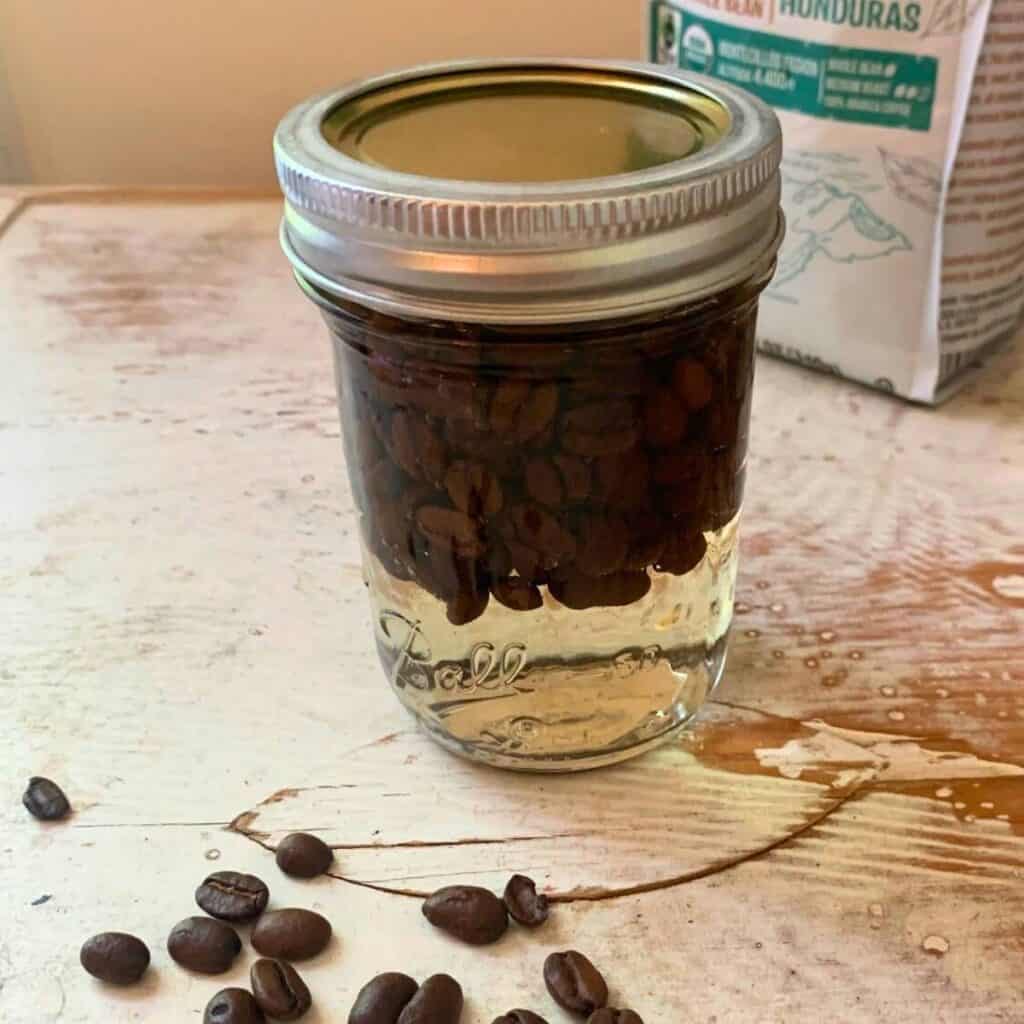
Fill your jar half way or a little more with whole black coffee beans.

Then cover the coffee beans with the vodka. And that’s it!
Add an airtight lid, shake and label your jar, and set it out of the way for a few weeks at room temperature. The flavor and aroma will develop over time, and your extract will last forever!
Alcohol-Free Coffee Extract Recipe
Making alcohol-free coffee extract is simple. First, combine one part filtered water with three parts non-GMO food grade vegetable glycerin. Set this mixture out of the way.
Then, fill a glass jar half way with your favorite coffee beans and cover with the glycerin mixture.
Last, add the lid, give your jar a shake, and set it out of the way until you get the desired aroma and flavor!
Recipe Card

Homemade Coffee Extract
Equipment
- 8-ounce glass jar with lid
Ingredients
- 4 ounces black coffee beans (organic, if possible)
- vodka (80-proof / 40% or higher alcohol)
Instructions
- Fill up your jar half way with black coffee beans. Then fill the jar the rest of the way with vodka, leaving a bit of extra room at the top of the jar for shaking.
- Add the lid, shake the jar well, label and store the jar out of the way. The coffee extract flavor and aroma will develop over the next few weeks. You can use it as soon as it smells the way it's supposed to, which is usually a few weeks.
- Store your extract at room temperature in a dark cabinet.
Final Thoughts
Coffee extract vs coffee vs green coffee. Each have their place, depending on your goals. Coffee extract shines in the kitchen, traditional coffee rules as a beloved beverage, and green coffee appeals to health enthusiasts and DIY roasters. Understanding their differences and potential benefits can help you pick the right one for your needs…whether it’s a morning latte, a dessert infusion, or a health-focused supplement.
So, which one is the winner?
Regular coffee is my go-to for that warm, comforting hug in a mug, plus it’s got solid health benefits. Green coffee beans and green coffee extract might be your sweet spot if you’re curious about chlorogenic acid and weight loss, but they’re not winning any flavor awards. And coffee concentrate? It’s perfect for those mornings when you’re running around frantically busy.
Here’s my advice: If you love the ritual of a good cup of coffee, stick with regular coffee and enjoy it in moderation. If you’re intrigued by the potential health benefits of green coffee bean extract, give it a whirl, but don’t expect it to taste like your favorite coffee shop latte. And if you need a quick fix, coffee concentrate might just become your new best friend!
Pin It For Later